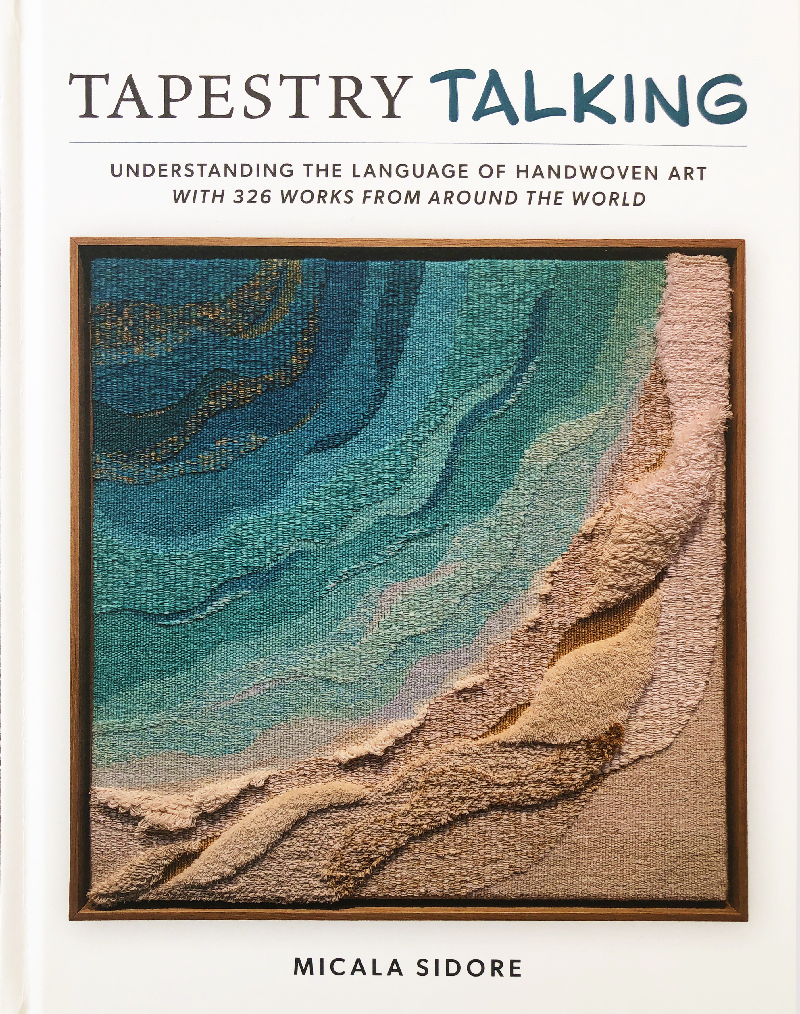
 Tapestry Talking – Understanding the Language of Handwoven Art
Micala Sidore, Schiffer Craft, 2026, 256 pages, 326 works in colour, price $49,99
The author was educated in tapestry from 1984 to 1987 at the Manufacture Nationale des Gobelins in Paris. She has been running her own Hawley Street Tapestry Studio in Northampton Massachusetts, were she works out her cartoons, weaves tapestries and gives workshops. She speaks four languages , travels extensively, writing books and articles , giving talks and courses throughout North America, Europe, Australia and New Zeeland. She has exhibited her own work in North America, Australia and Poland, and they appear in museum- and private collections.
Her first book was „The Art is the Cloth: How to Look and Understand Tapestries“ looking at tapestries reflect on their identity as pieces of cloth. This second book has a different approach, it is again neither a How-To book nor a Coffeetable book, instead it is dedicated to tapestry weavers as a source of inspiration and to those who want to understand this form of art explained by a real professional. Her view is very wide across the globe, due to her language skills and good contacts she knows about every tapestry weaver that has show works somewhere in the world. When we published Textile Forum she was one of those artists I could always ask for information. I know her personally since the Melbourne Tapestry Symposium in 1988, where we became friends.
In her new book she wants to invite the reader to dicover what is to see in handwoven tapestries. And she goes further than the formal definition of a tapestry as „flat, mural and without prspective“. She want to show that tapestry covers a massive range of possibilities, she wants to tiggle the imagination and get some hints that deepen and enrich the experience.
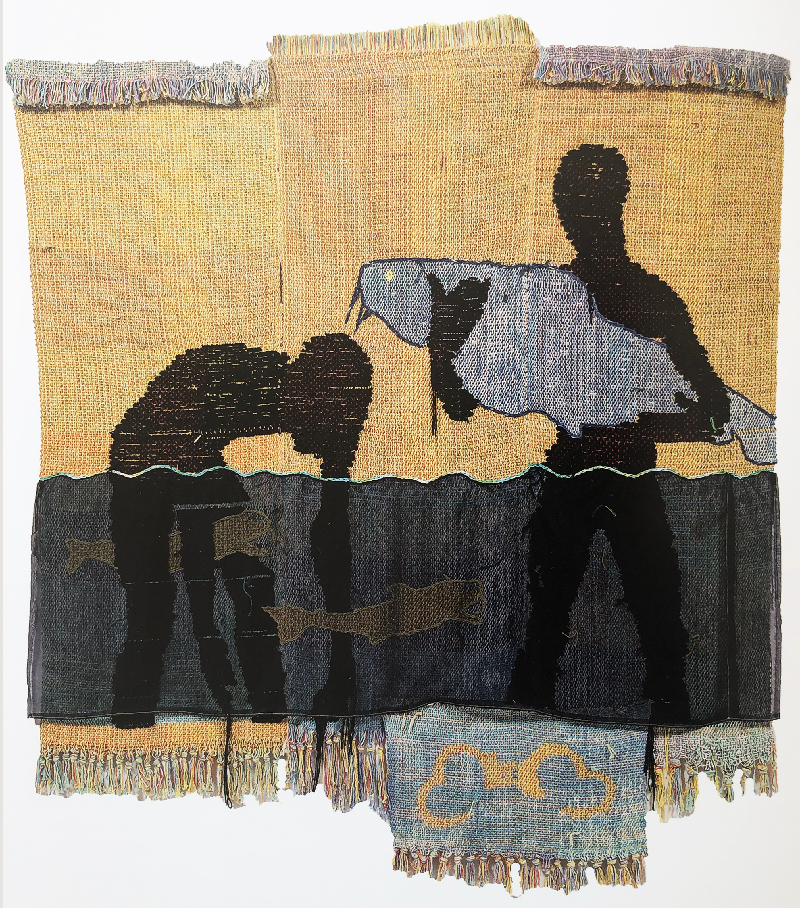
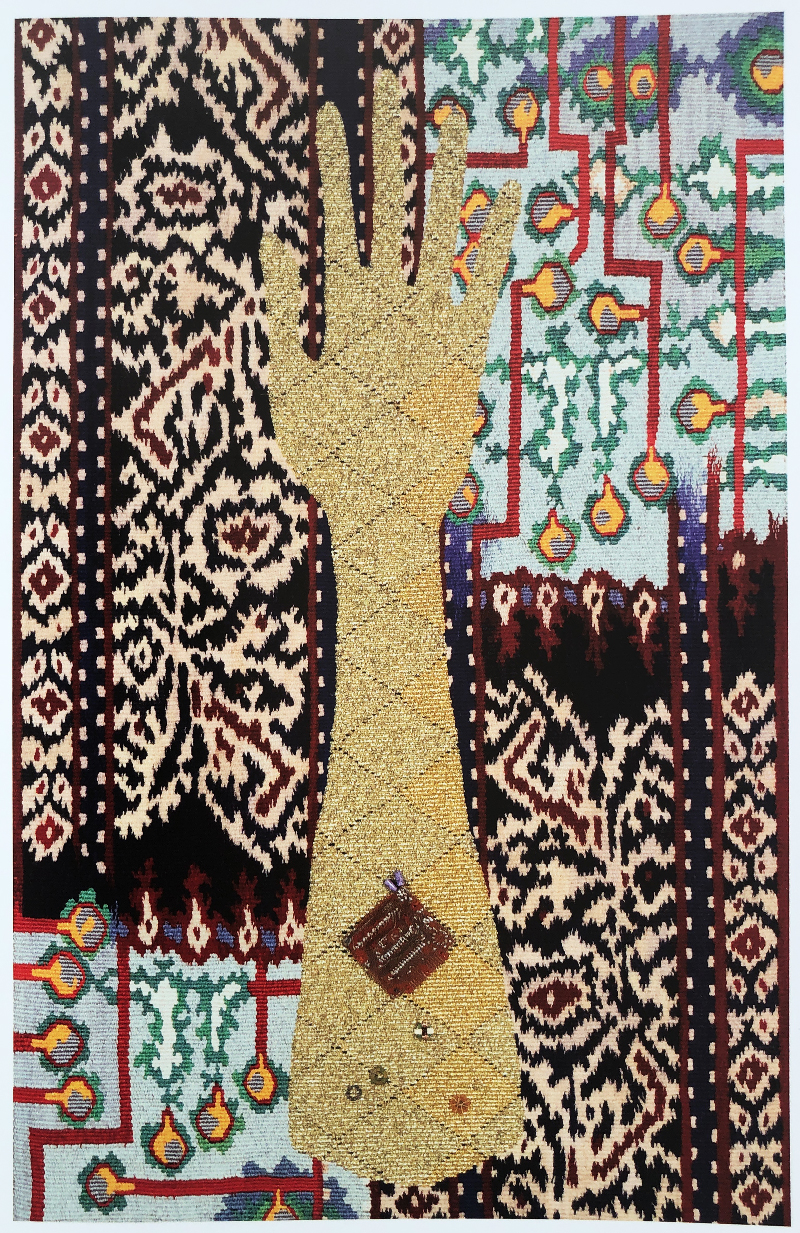
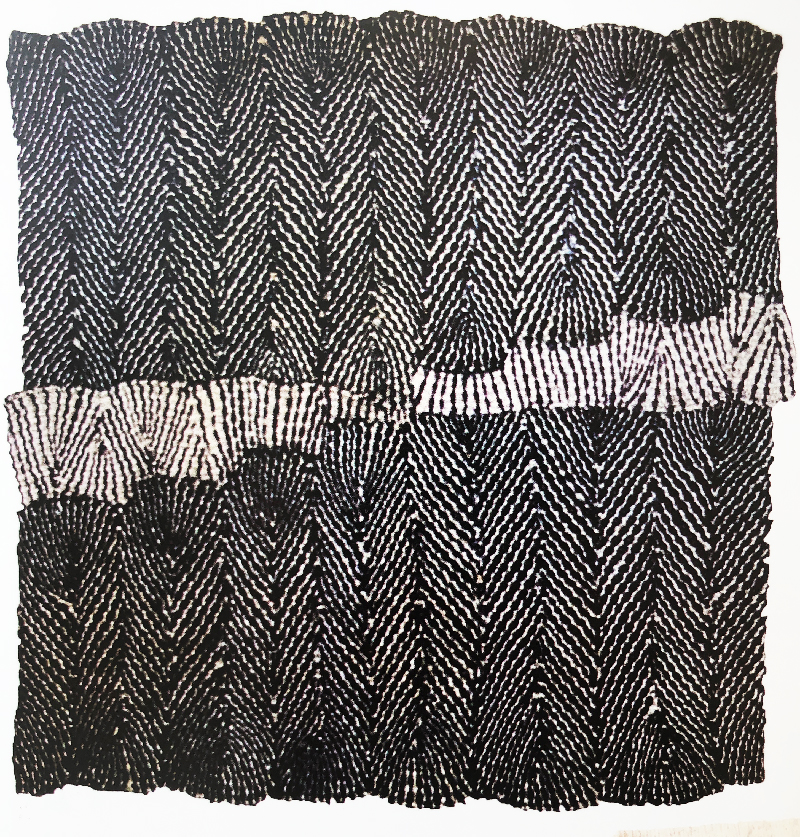
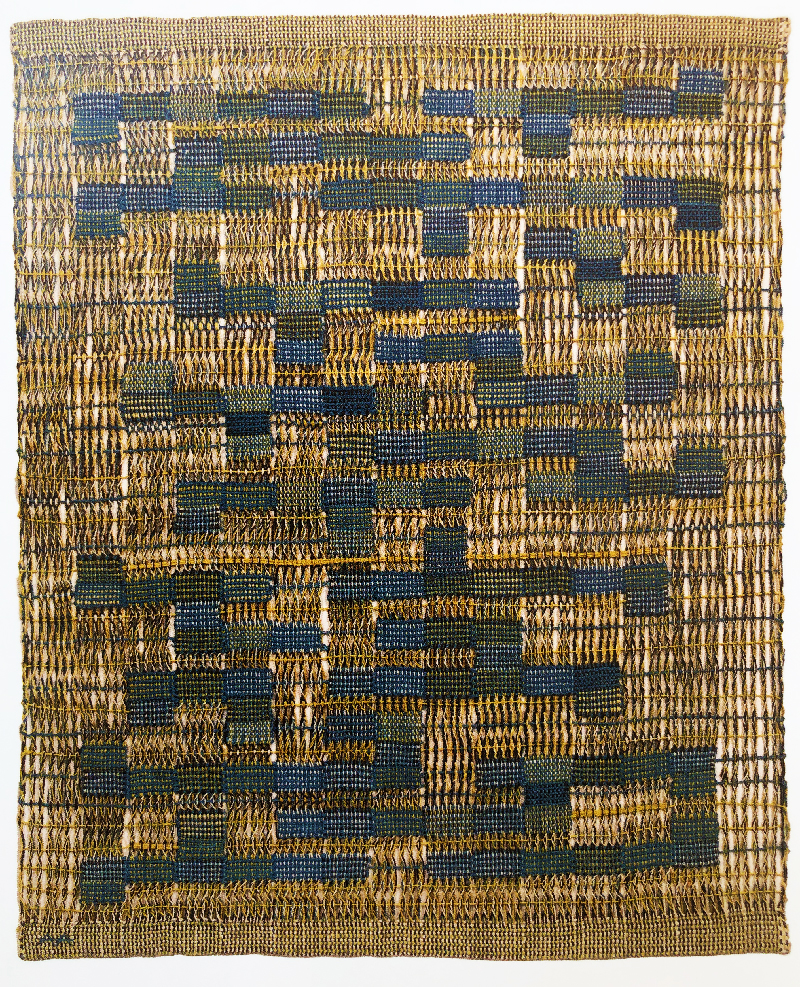
She does this by choosing 13 different topics from Yarn to Woad (colour), Warp, Weft, Seed, Sett, Line, Slit, Grid, Size, Mark, Time and Text. From the over 280 artists featured in the book, I knew myself more than half of them either personally or from exhibitions like Artapestry by the European Tapestry Network, the Hugarian Triannial, the Lodz Triennial the Scandinavian and the Baltic exhibitions, etc. Many of my favourite Tapestry weavers are among them, but also surprises, like the start with a work by Diedrick Brackens, a young black weaver whom I saw first at the Biannial in Venice. She taks about cotton, the yarn this weaver is using also as a metaphor for the slavery history. Further artists using different yarns were Inka Kivalo (gold thread) and Wlodzimiercz Cygan with his fiber optics. The chapter on Woad tells about colour and mentions among other artists D.Y Begay, a North American indigenous weaver that was invited as a speaker at our ETN Conference in Rovaniemi in 1999. A beautiful work from Anni Albers was shown under the chapter Weft, as was Aino Kajaniemi and Feliksas Jakubauskas, two furter weavers I admire. It is a bit unusual that historical tapestries are sometimes mentioned, for example when describing the use of gold thread. That Aino comes fom Finland and is still active, whereas Feliksas is fom Lithuania and unfortunately not alive anymore, is not mentioned in the book, which I find a pity. A bit more about the lives of the artists would have been helpful for the readers who do not know them.
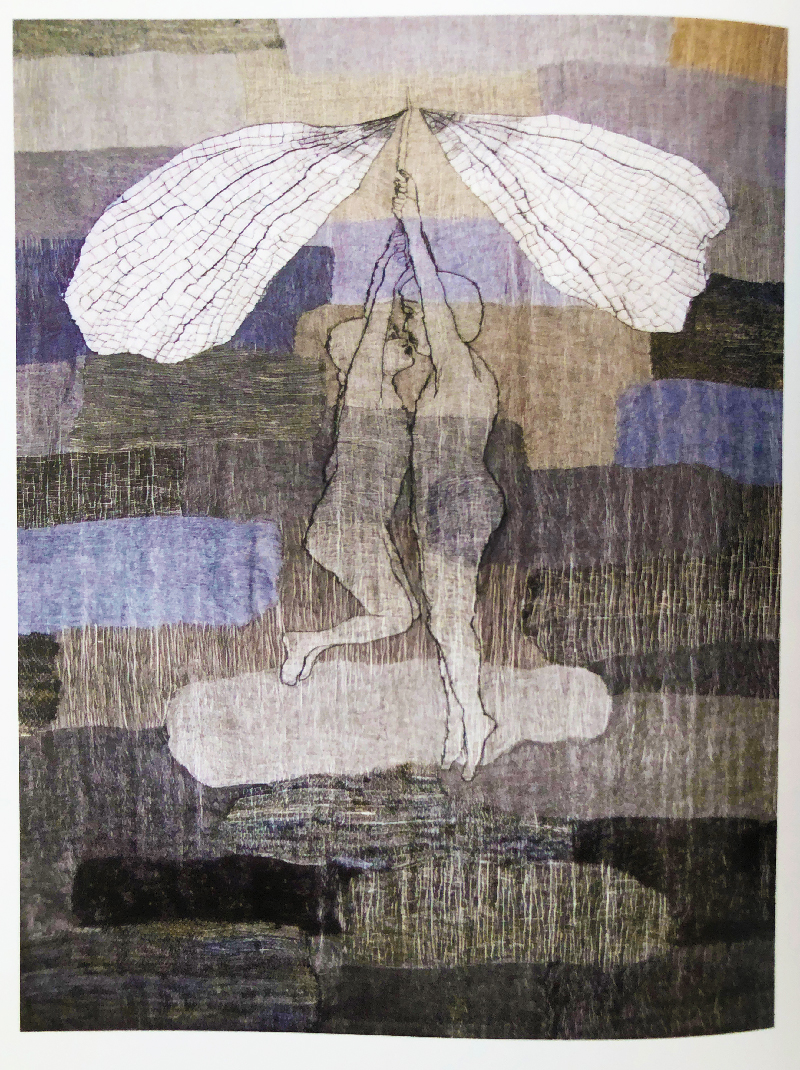
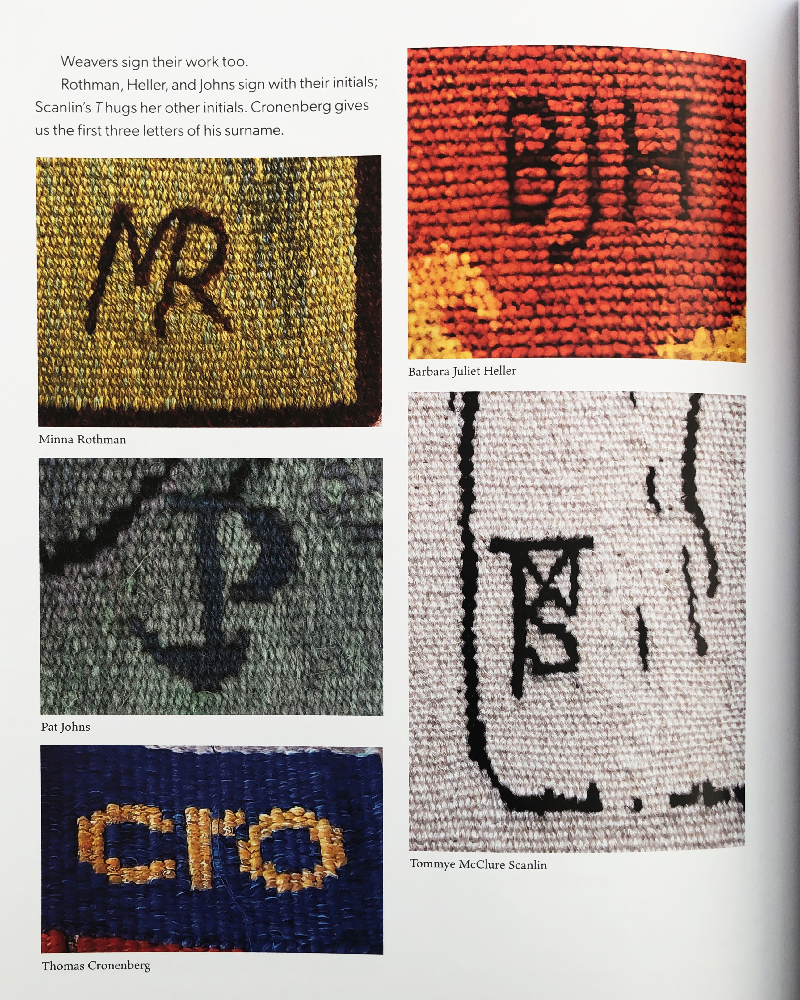
Under the heading of Seed, she mentions Kay Lawrence from Australia, Beate Hauser from Hugary and Lise Frölund from Danmark ( the only Jacquard weaver I could find in the book, but her work is handwoven and unique so that I think it fits well). The longest list of weavers comes under the chapter Line: Johanna Schütz-Wolff and Gunta Stölzl from Germany at the Bauhaus time, Silvia Heyden from the USA, Joan Baxter from the UK, Solveig Aalorg from Norway, Peter Harris from Canada, Ewa Latkowska from Poland and Rosza Polgar from Hugary. Under the chapter Slit she shows works by Thomas Cronenberg from Germany and Barbara Heller from Canada. I mention only the ones I know very well! Under Grid the weavers Noémi Ferenczy, Hungary and Margarete Agger, Denmark are featured; under the notion of Size the name of Archie Brennan shows up for his famous very small tapestries; Mark is showing the sort of marks weaver use as their woven names under their tapestries; Under Time works by Micala Sidore herself and Peter Horn from Germany are shown; and finally under Text we can find tapestrties by Anet Brusgard from denmark, Ariadne Donner from Finland, Erin Riley a young artist from the USA, Maximo Laura from Peru and finally Archie Brennan again.
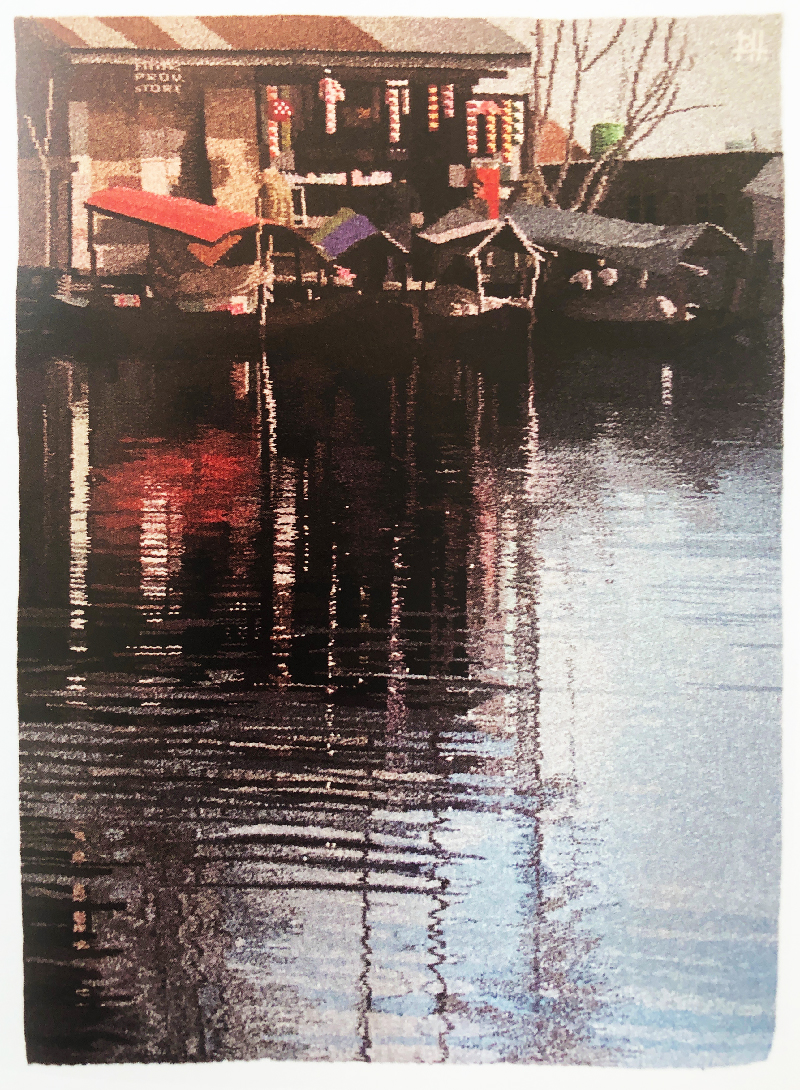
Looking at these different approaches makes me realize that there are very many different approaches to this art form, that was always considered „art“ even at times when textile art was general considered a craft. But artists were only those designing the tapestrie, in most cases not the weavers. Since the Lausanne Biennales the Polish weavers around Magdalena Abakanowicz have changed that, together with American and Japanese weavers. If you want a closer look this book is showing how the artists are working. She uses only some texts where necesarry to explain what effects the artists wanted and many photos to show the results. It is clear that this author knows her subject and is passionate about it asking questions like „What effects can various technique create?“ „How do these techniques work together“? „What themes are inspiring todays tapestry weavers?“ What themes did historical tapestries show?“ „In what ways can a piece of art composed of yarn work?“
I liked this book very much and can only say that tapestry weavers and non-weavers, interested in the art of tapestry, should not miss it!
Beatrijs Sterk 20.9.2026