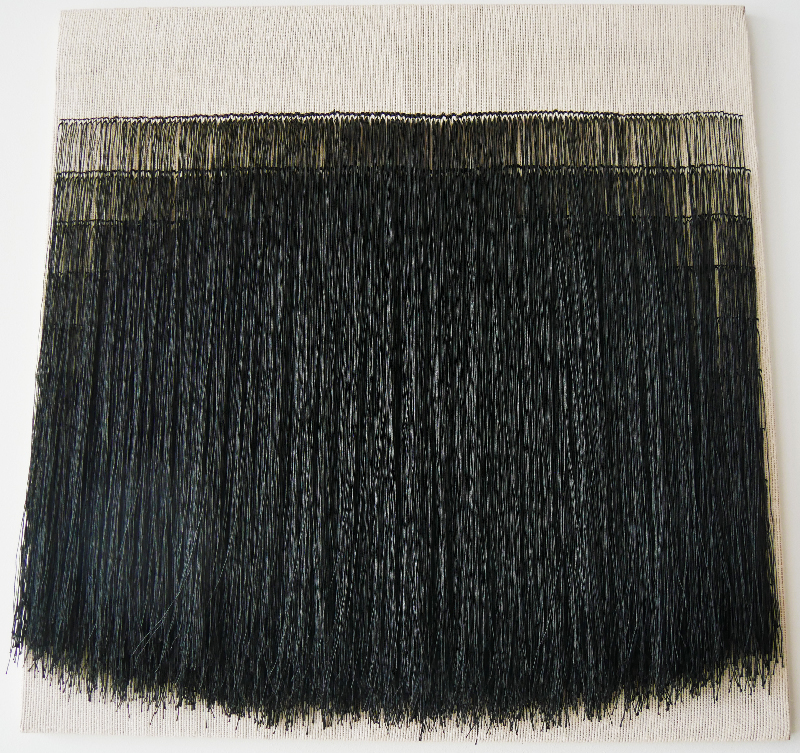
Sofie Dawo – Textile Experiments
Exhibition from 17.7. 2026 – 17.1. 2027 at the Kunstgewerbemuseum Kulturforum Berlin
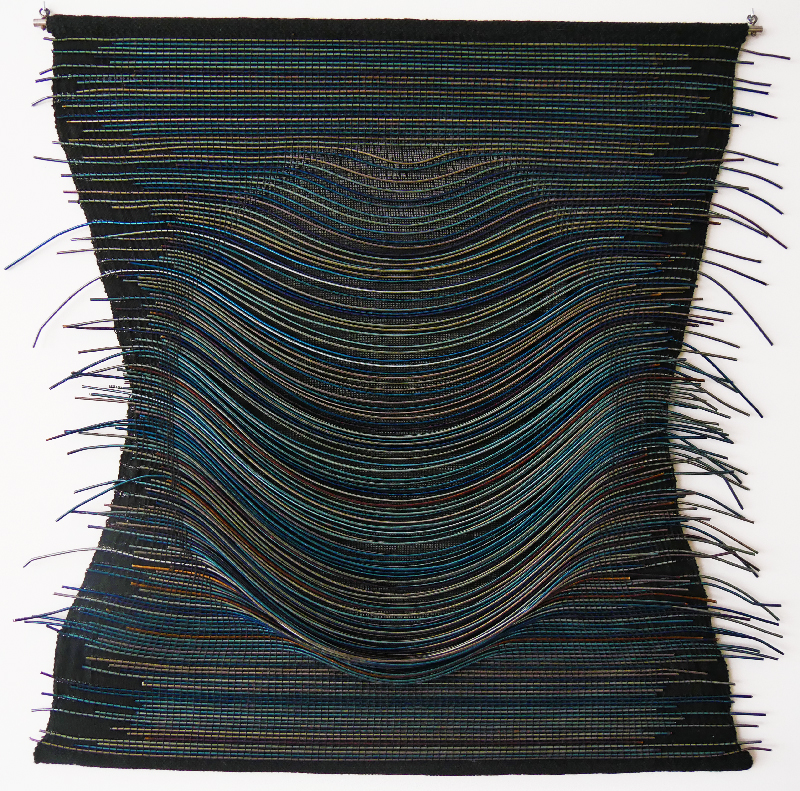
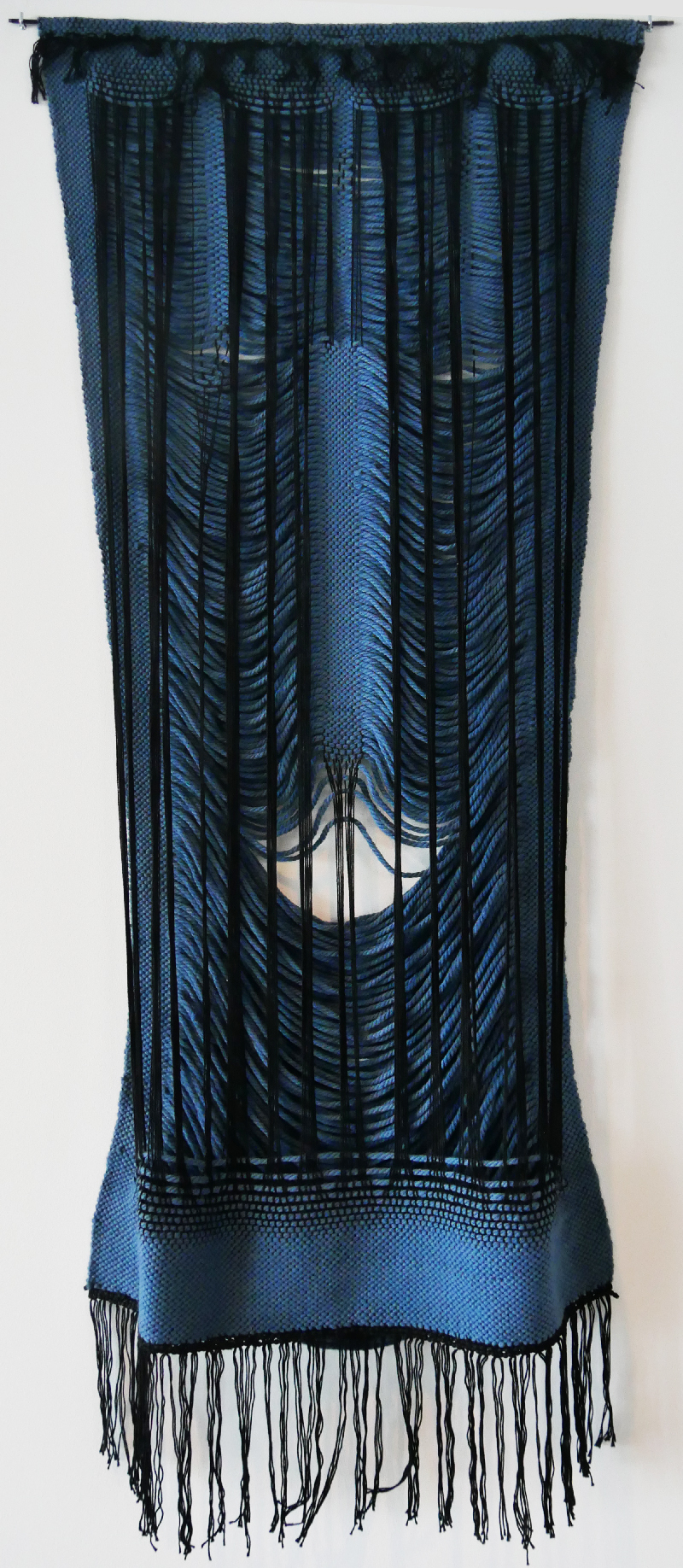
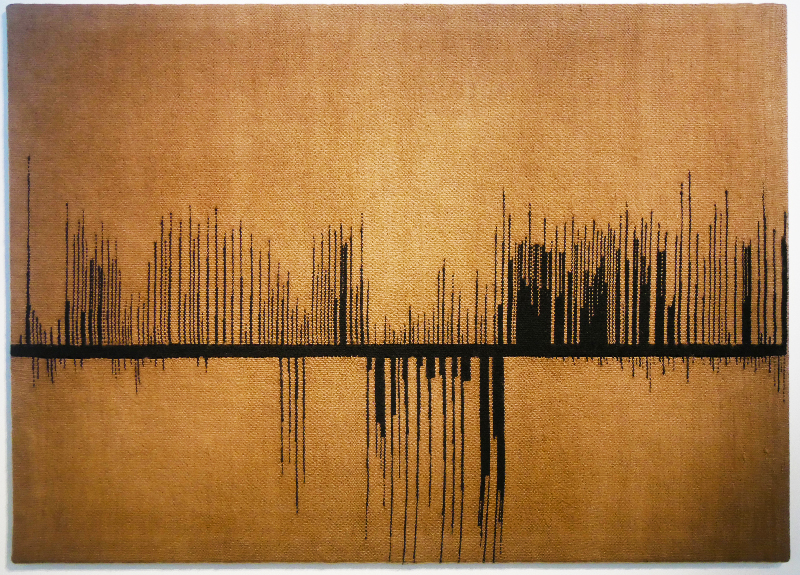
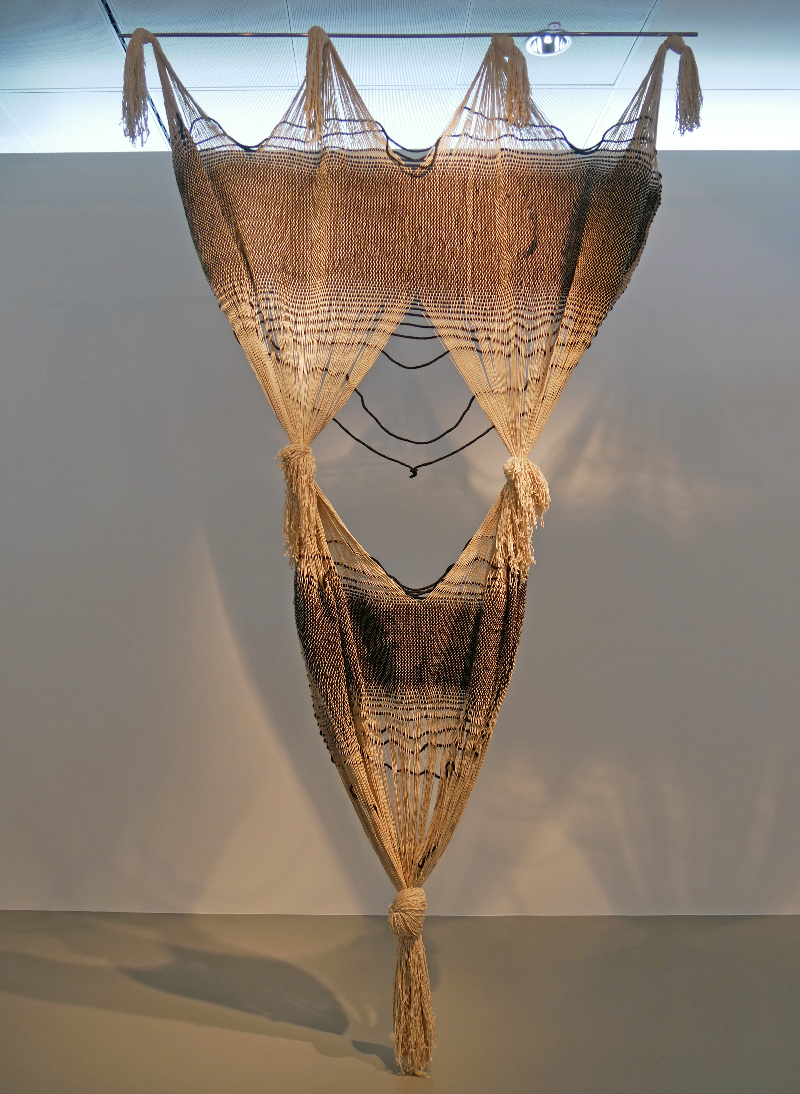
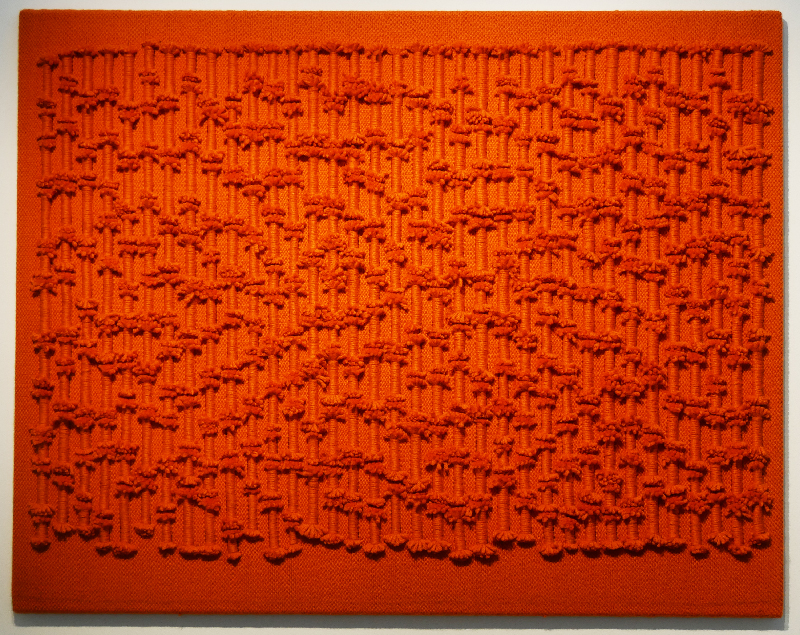
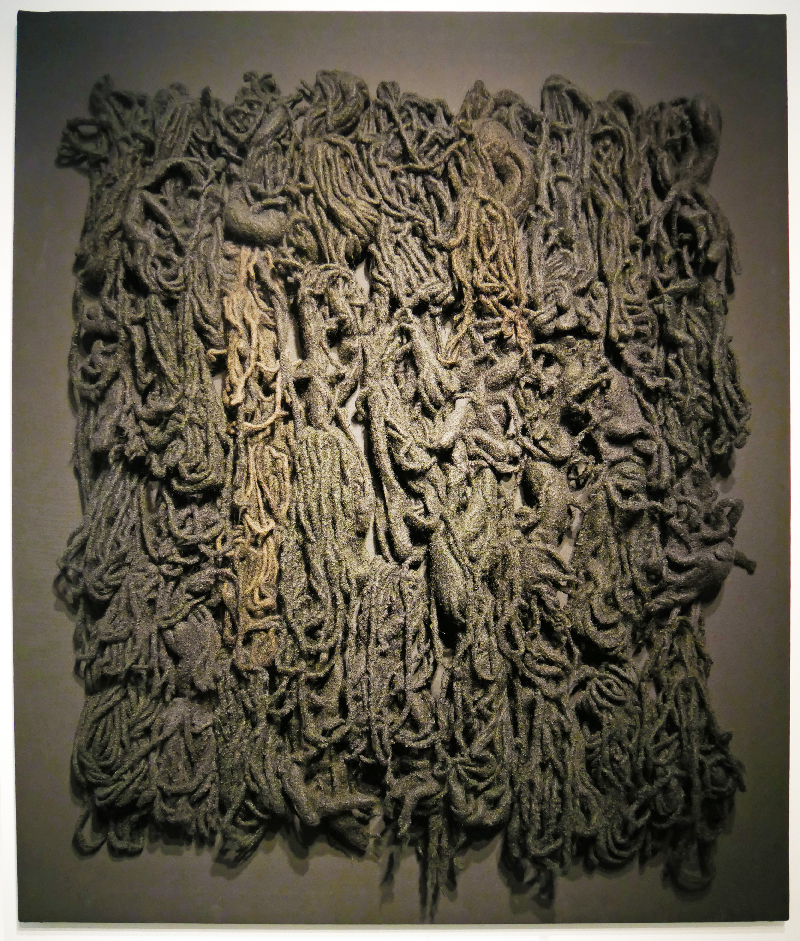
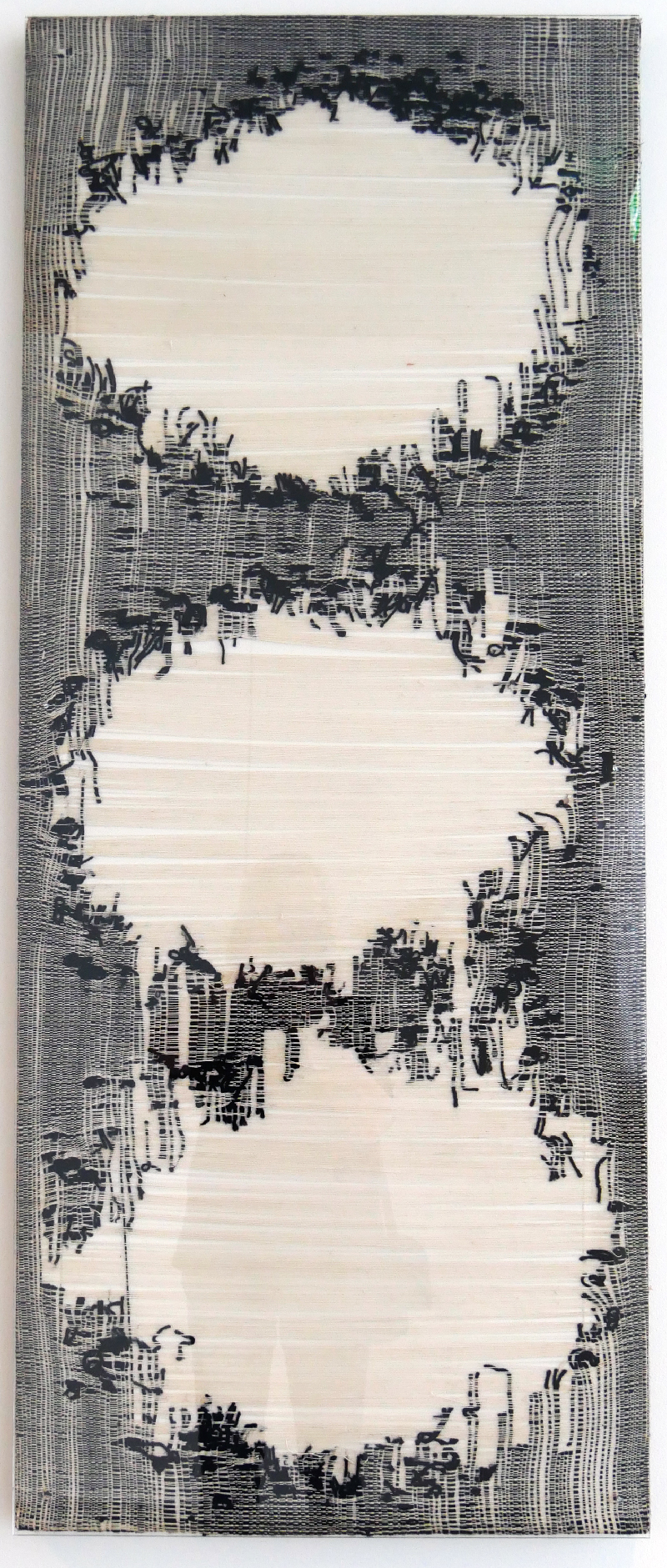
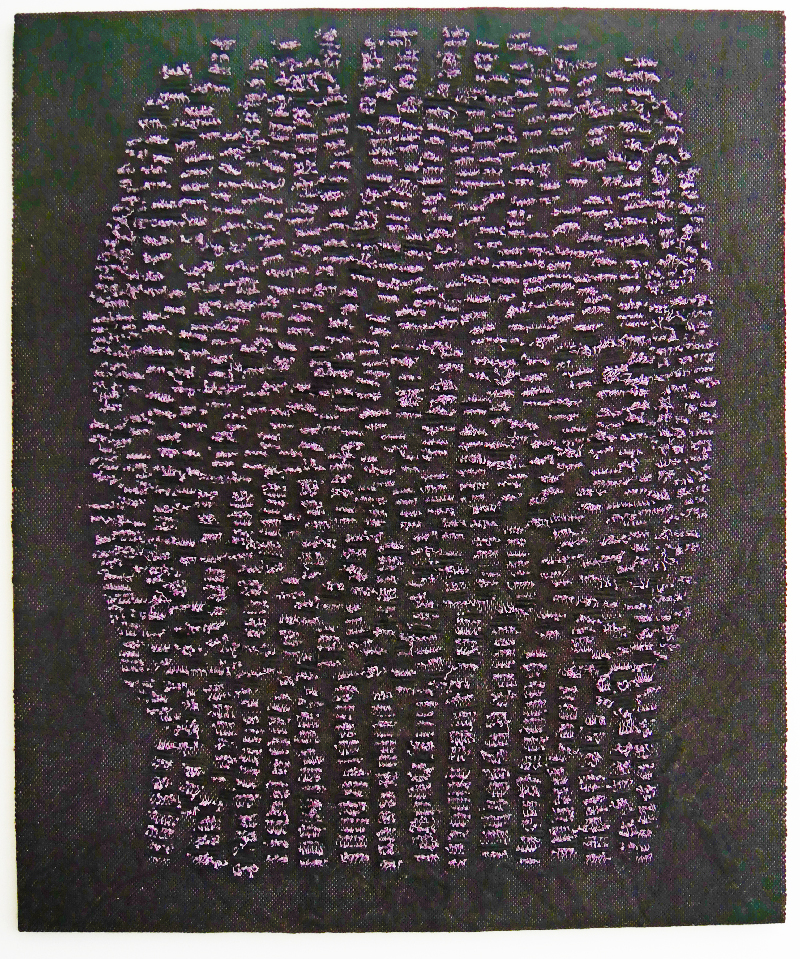
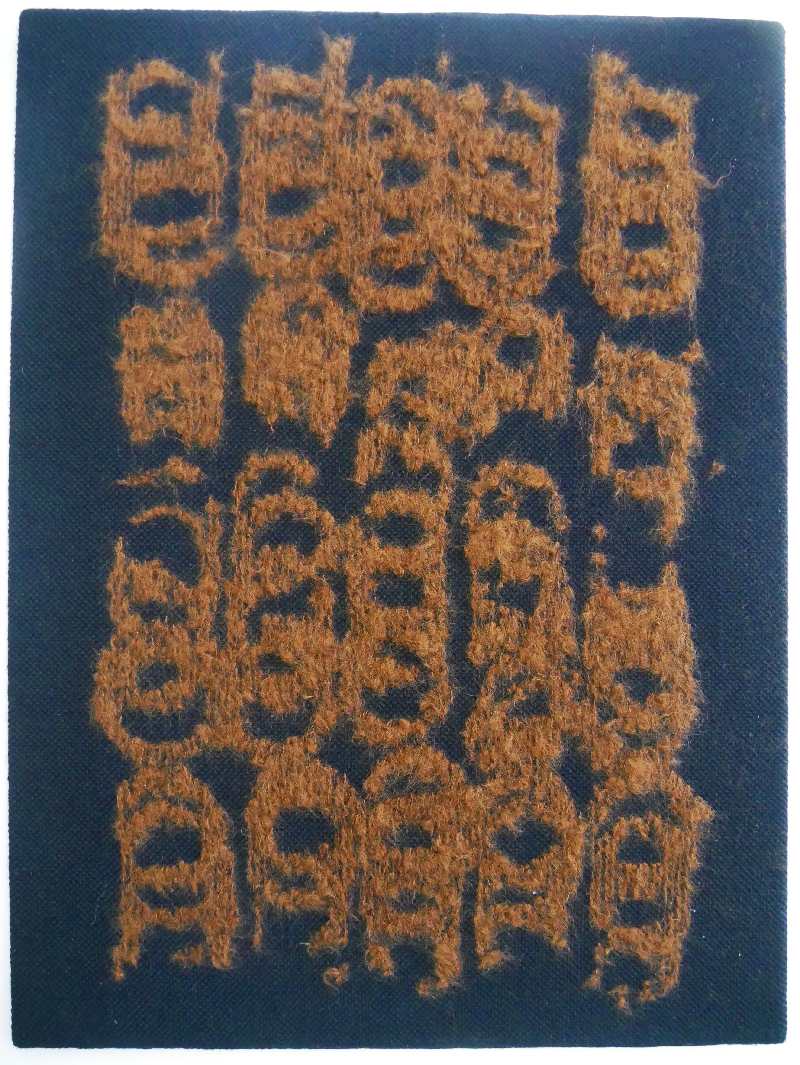
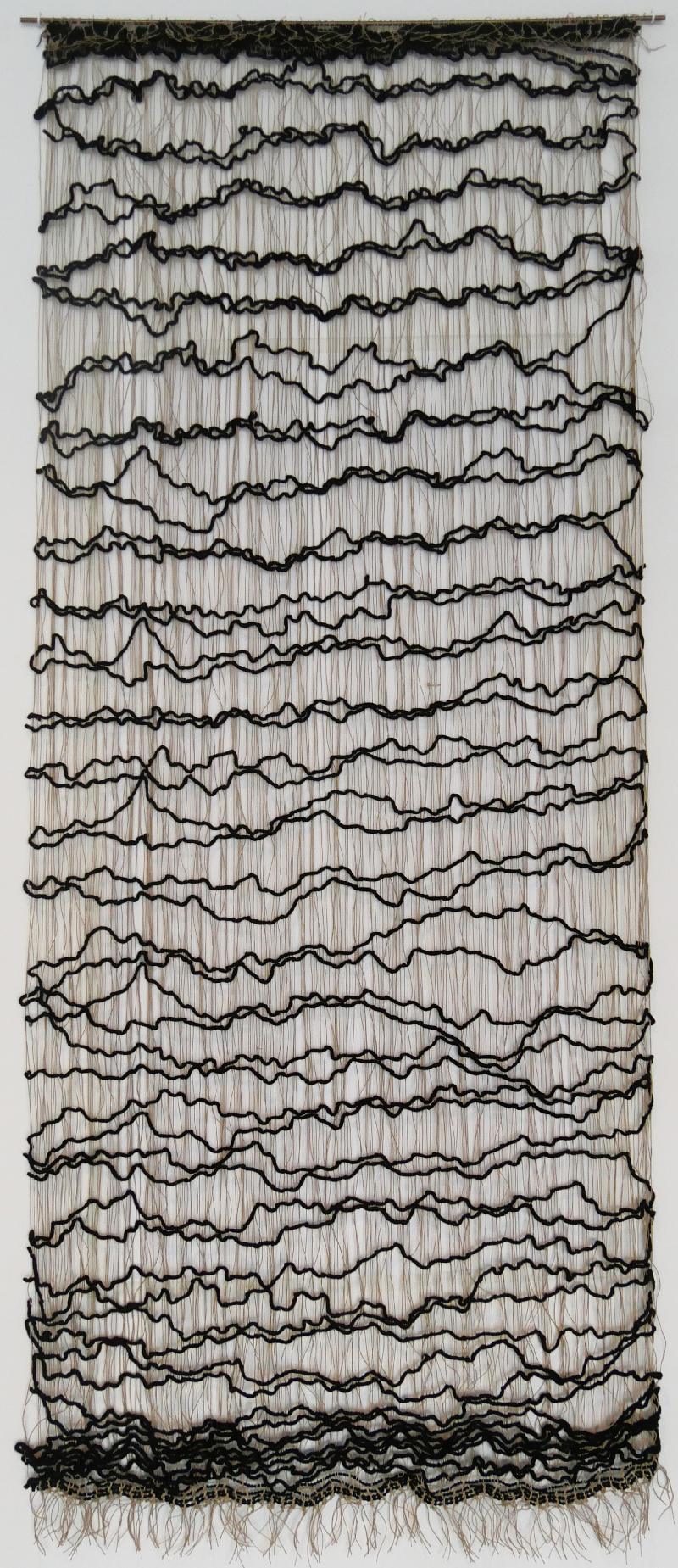
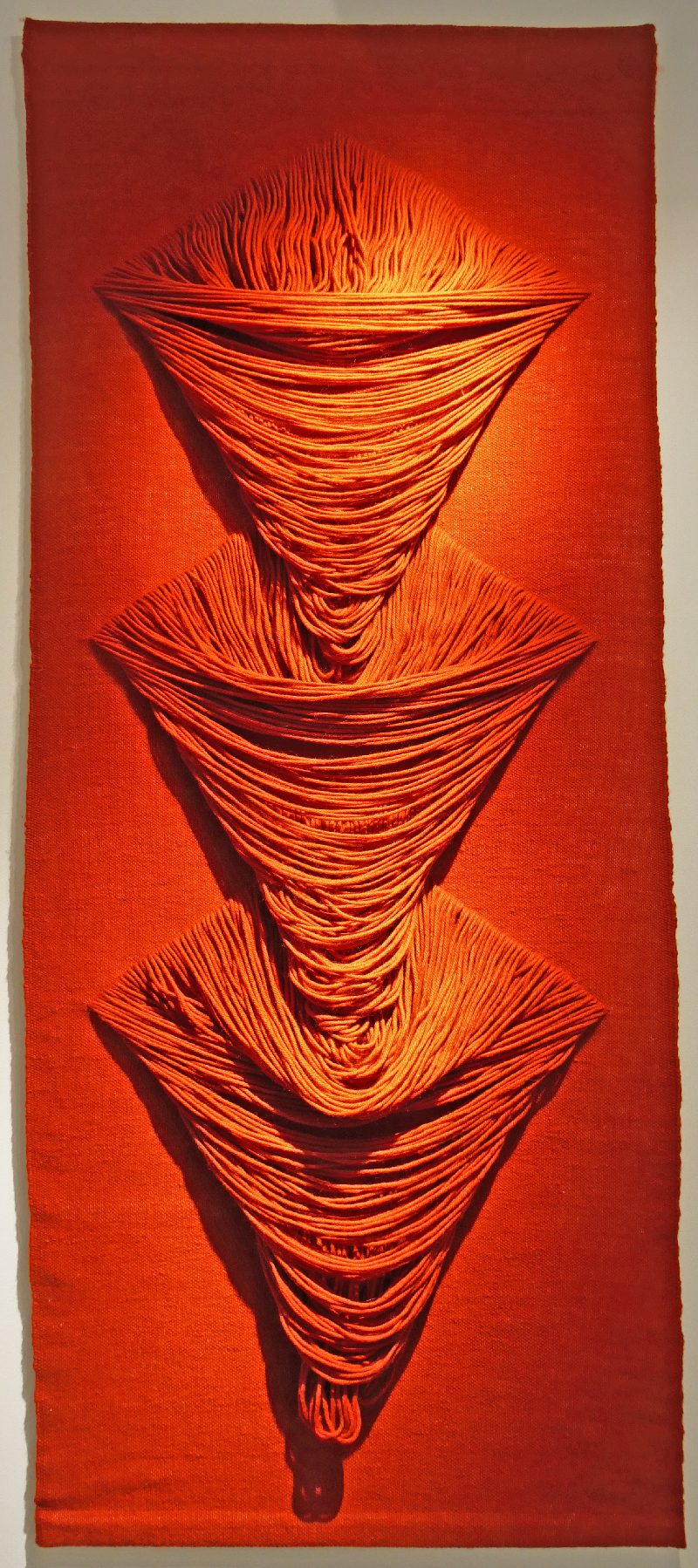
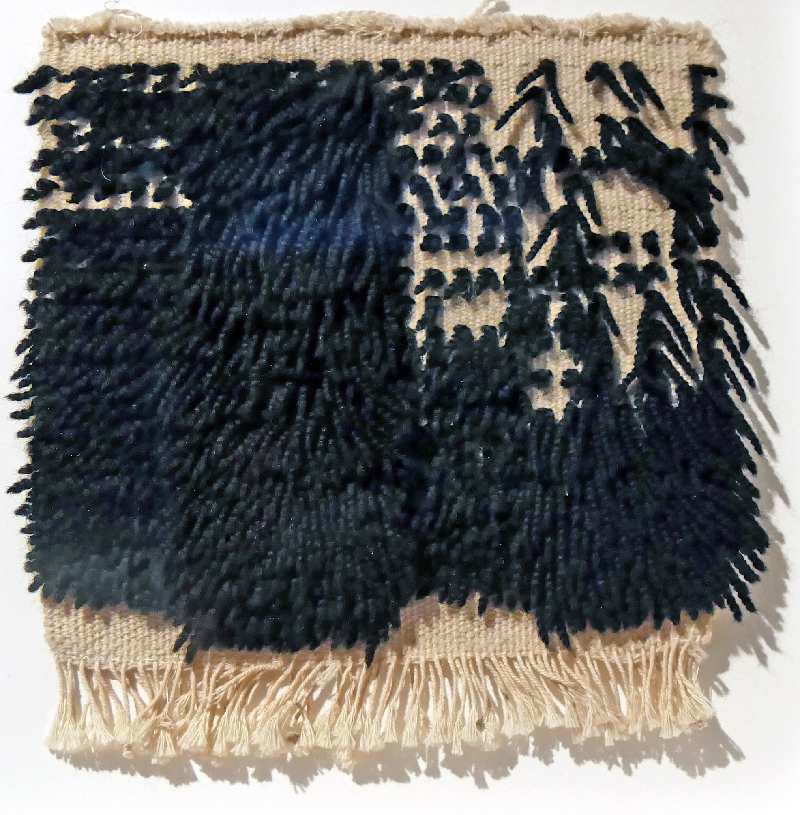
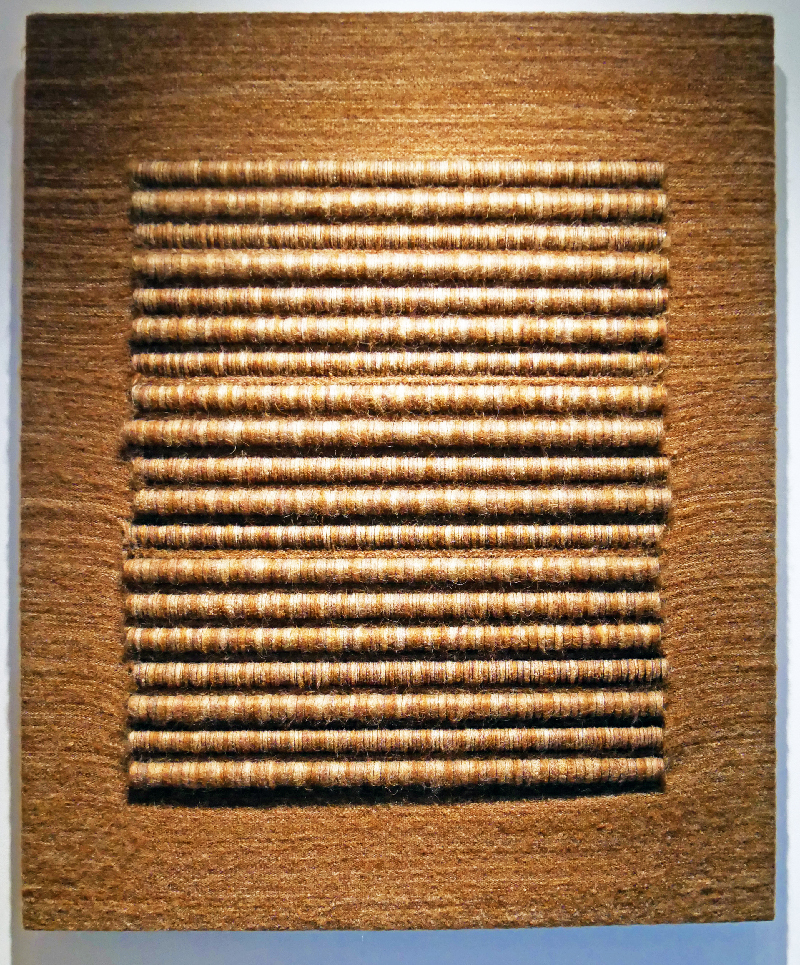
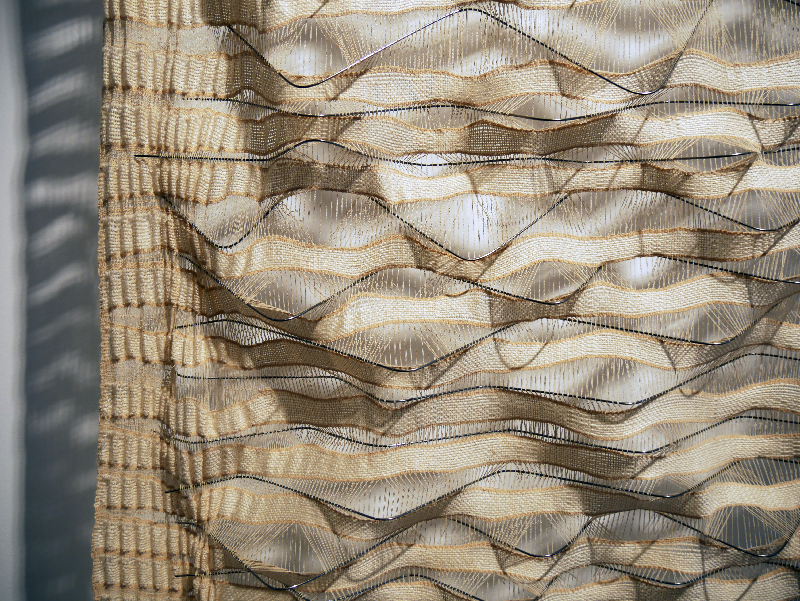
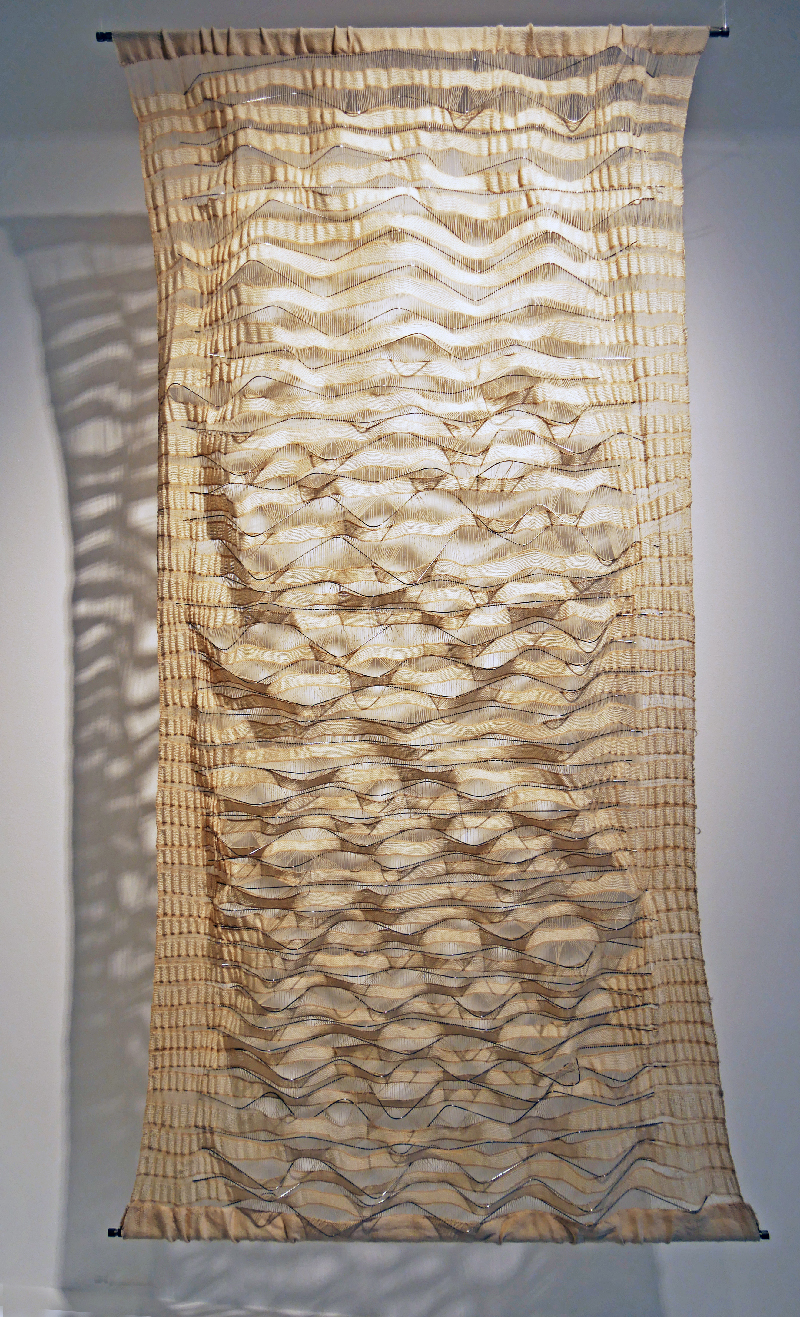
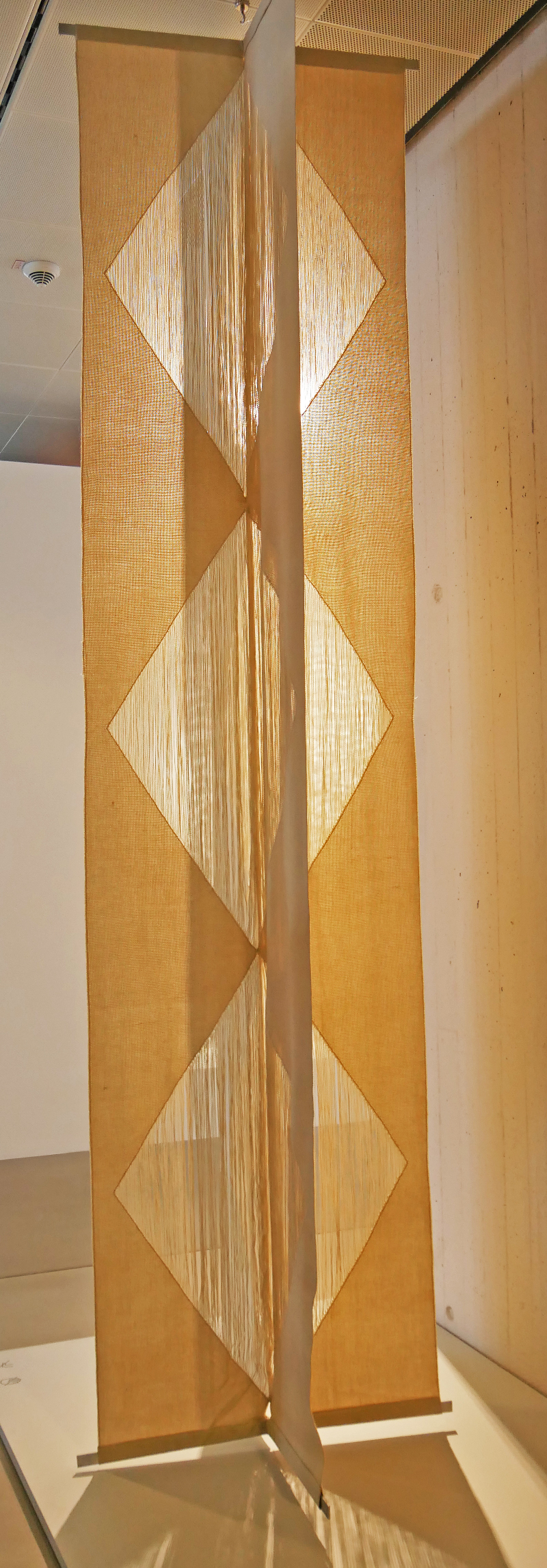
Sofie Dawo (1926 – 2010) was a German textile artist who exhibited in Lausanne during the 3rd Lausanne Biennale in 1967. She saw weaving as an independent art discipline already in the 1960s, when the usual approach was to see weaving as a craft or – at ist best – as applied art. In the book „Sofie Dawo“ by Kirsty Bell and Friedrich Meschede (Hatje Cantz 1924) she is described as “one of the most important representatives of Concrete textile art in the second half of the 20th century. Based on the principles of the Bauhaus, but with the courage to experiment, the German artist developed her own artistic position. In a radical departure from traditional weaving designs, she explored the qualities of both tested as well as new materials, often working in series. Dawo’s skillful research of the properties of her fabrics and materials allowed her to move beyond the two-dimensionality of the woven surface and create works with a sculptural character”.
This publication draws on the estate of her long-underrepresented œuvre, which includes not only woven pieces but also hitherto unseen drawings. Both bodies of work demonstrate the extent to which Sofie Dawo understood her weaving art as an autonomous genre“.
Her unconventional artistic strategy consisted of refinement through deconstruction, in the radical treatment of weaving „Against all rules“. The manufacturing processwith the specific material was thus inscribedinto the object.Dawo deliberately calculated the unpredictable, what she called emerging surprises. Her textile experiments are free of any function or application and thus they stand on their own as works of art.
Sofie Dawo started her career at the School of Art and Craft in Saarbrücken, she was a textile designer for the textile industy from 1952 – 1958, than she made her master craftsmen`s examination at the Sindelfingen Weaving School. From 1958 to 1961 she was Head of training in weaving at the University Insitute for Art and Craft Education, and from 1958 to 1971 she was head of the class for weaving and printing fabric at the Saarbrücken State School of Applied Arts, where she became appointed as Professor in 1975.
When she retired from teaching her Textile Department was closed , a fact that she regretted very much! Would she only have known that already in 2014 textile art would be regarded as autonomous art, and that beginning in Scandinavia, weaving became again vey popular among young artists, resulting in more textile departments in Universities worlwide. Alongside Ritzi Jacobi, who came from Romania, Sofie Dawo was one of the few German textile artists to pursue an experimental approach to weaving. Other textile artists—such as Irma Goecke (Lausanne Biennale 1962) or Elisabeth Kadow-Jäger (Lausanne 1965, 1967, and 1969)—were represented primarily by tapestries; meanwhile, other early participants such as Fritz Winter (Lausanne 1962), Heinz Diekmann (Lausanne 1965), and Ferdinand Lammeyer (Lausanne 1965) were painters who likely did not do the weaving themselves.”
My impression of this exhibition was very positive, I was glad to be able to see her work as a whole in this exhibition, proving that she really was an independant fine artist, working in textiles! Until now I had not seen her work other than single pieces e.g. in Kunst Stoff (Art Fabric). Textiles as Materials for Art, in Emden, Germany from 16 September to 28 January 2024 (see my blog)