Nordic Textile Art Meeting in Stockholm and Tallinn: “Making Loops”
Nordic Textile Art (NTA) is a network open to Nordic textile artists and everyone interested in textile-based art. Founded in 2006 by a group of textile artists in the Swedish province of Bohuslän, the initiative came from textile artist Elsa Agélii, who felt that a meeting place for textile art was missing. Today, NTA is a non-profit association that promotes exchange, artistic development and networking.
For several years now, I have tried not to miss their annual meetings. It is a generous and open-minded community, willing to share knowledge and ideas. Even the well-known artists remain approachable and unpretentious – perhaps a reflection of the Scandinavian attitude of valuing people without strong hierarchies, something I appreciate very much.
This year’s meeting offered the opportunity not only to visit Stockholm but also Tallinn and Türi in Estonia, where the spring exhibition of the Estonian Textile Artists Association was taking place.
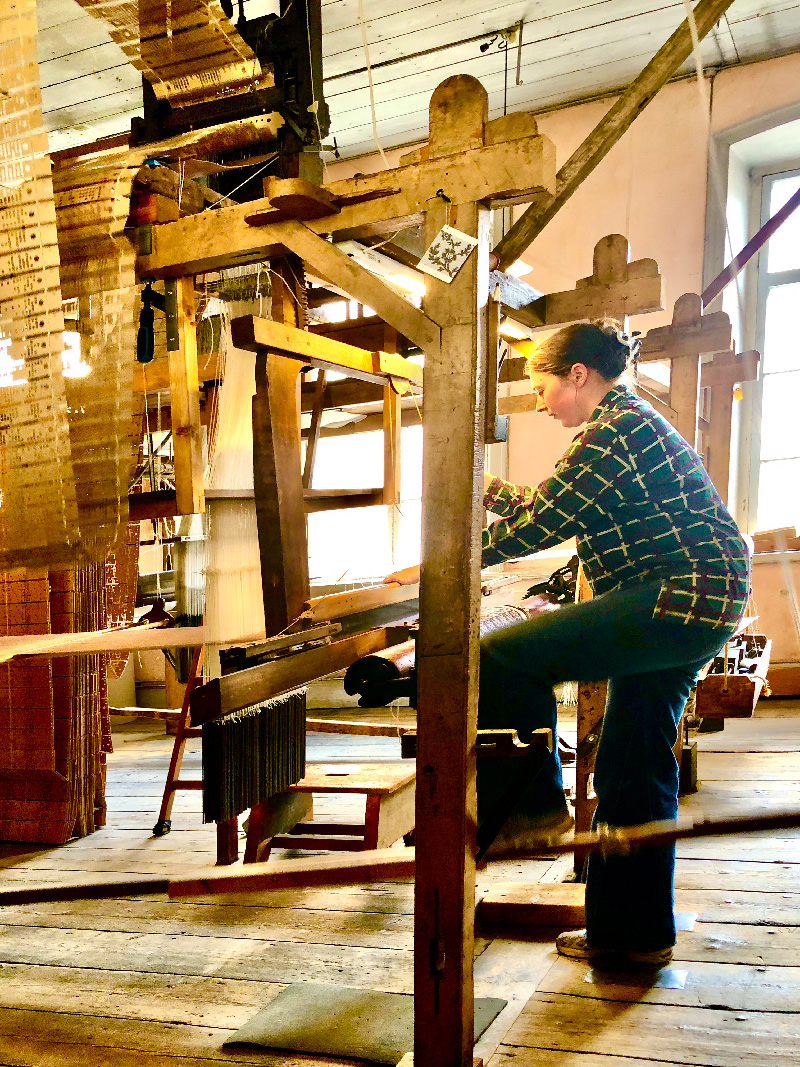
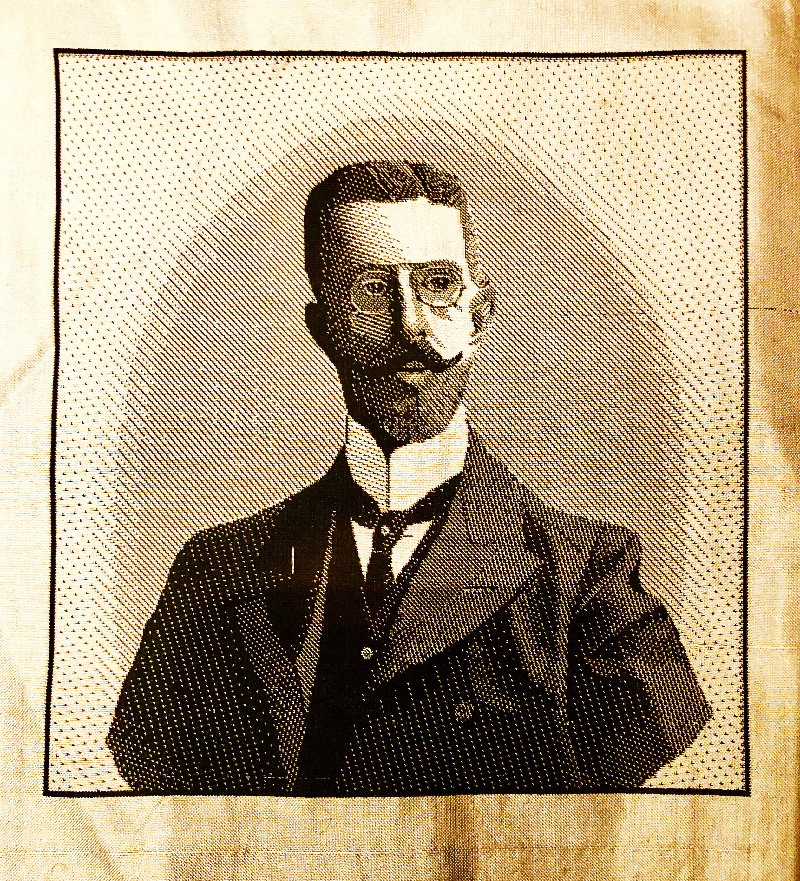
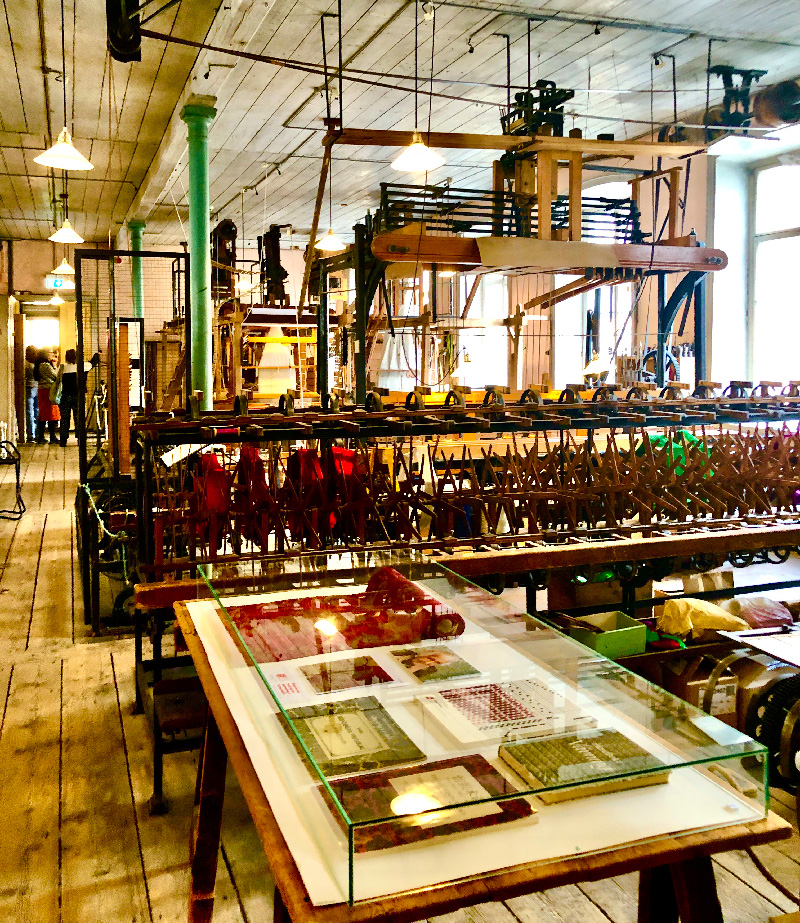
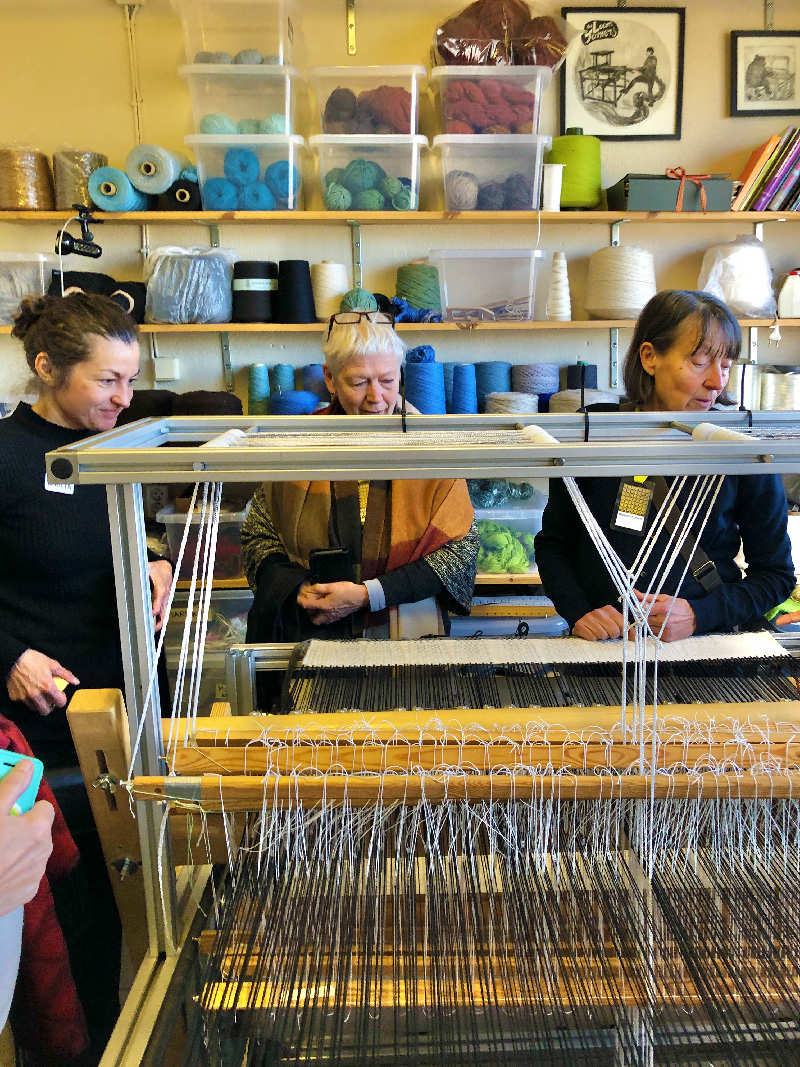
The programme began in Stockholm on 23 April 2026 with a visit to Almgrens Sidenväveri, the historic silk weaving mill and museum. Stockholm had around twenty silk factories in the early 19th century. Knut August Almgren founded his own silk factory in the 1830s and introduced modern Jacquard technology, reportedly smuggled from France. The punch-card system revolutionised weaving and enabled large-scale production of affordable silk scarves while also serving wealthy clients with upholstery and wall coverings. At its peak in the 1870s, the factory produced around 90,000 scarves annually. Today, the remaining Jacquard looms form part of a working museum. Karin Kaupel was working as a weaver at Almgren since September 2025. She was educated at Hantverksakademin 2023-2025, https://www.hantverksakademin.se/in-english
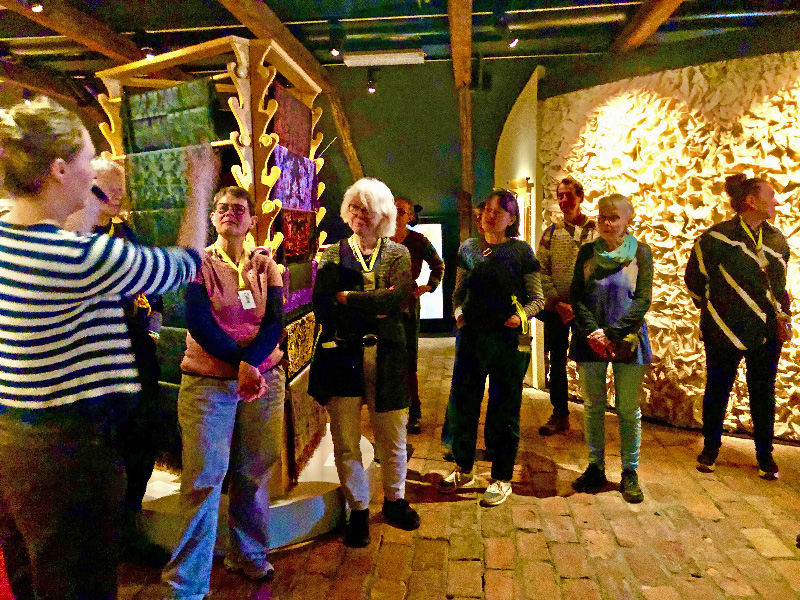
Our visit included guided tours and lectures related to the conference theme Making Loops. Elsa Chartin, Senior lecturer at Konstfack University of Arts crafts and Design, Stockholm and Frida Hällander spoke about “Textile Heritage”. Textile Heritage is a research environment that explores how artistic research can illuminate and challenge our textile heritage through collaboration between researchers and artists, focusing on museum textile collections. (https://www.konstfack.se/en/Research/Research-projects/Textile-HeritageArtistic-Research-on-Textile-in-relation-to-Heritage-Culture-Community/).
We also listened to Erica Laurell, designer and textile artist, based in Stockholm with knitting and crochet as her expertise. https://www.instagram.com/madame_tricot/, https://ericalaurell.se/cv/
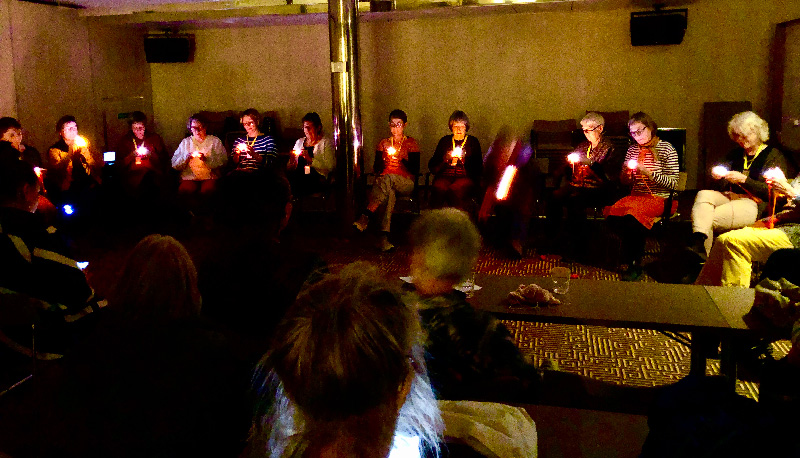
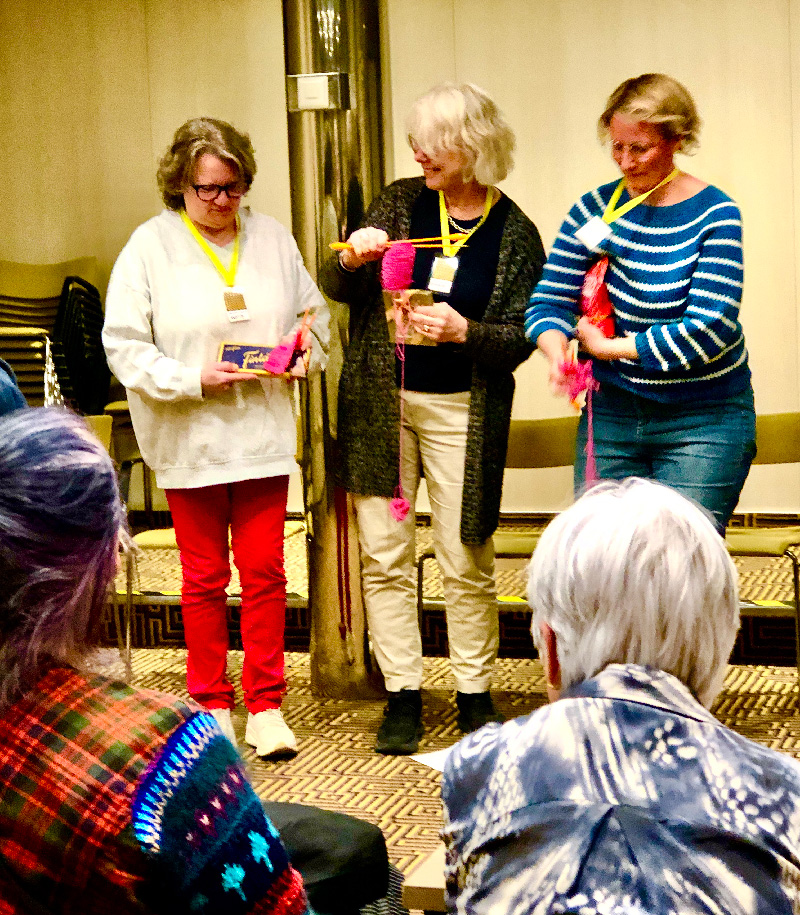
Later we boarded the Baltic Queen for the journey to Tallinn. On board we enjoyed the conference dinner and the entertaining Nordic Championship in Dark Knitting. Participants had 12 minutes to knit 12 stitches in complete darkness; the winner -Ingrid Aarset from Norway- managed an impressive eighteen rows. The second winner was Annette Bellmann from Sweden and nr 3 was Ulrika Winberg from Sweden
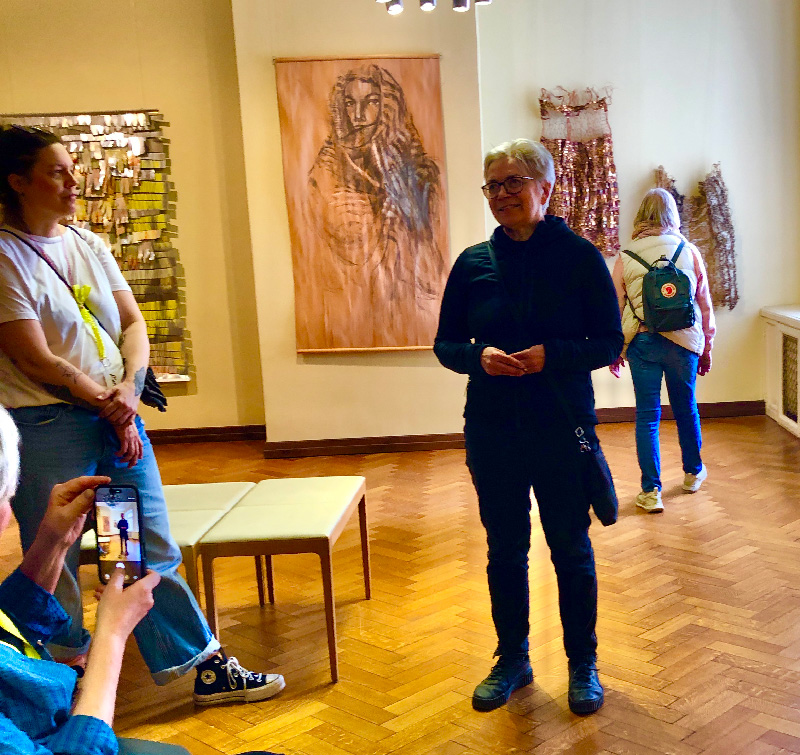
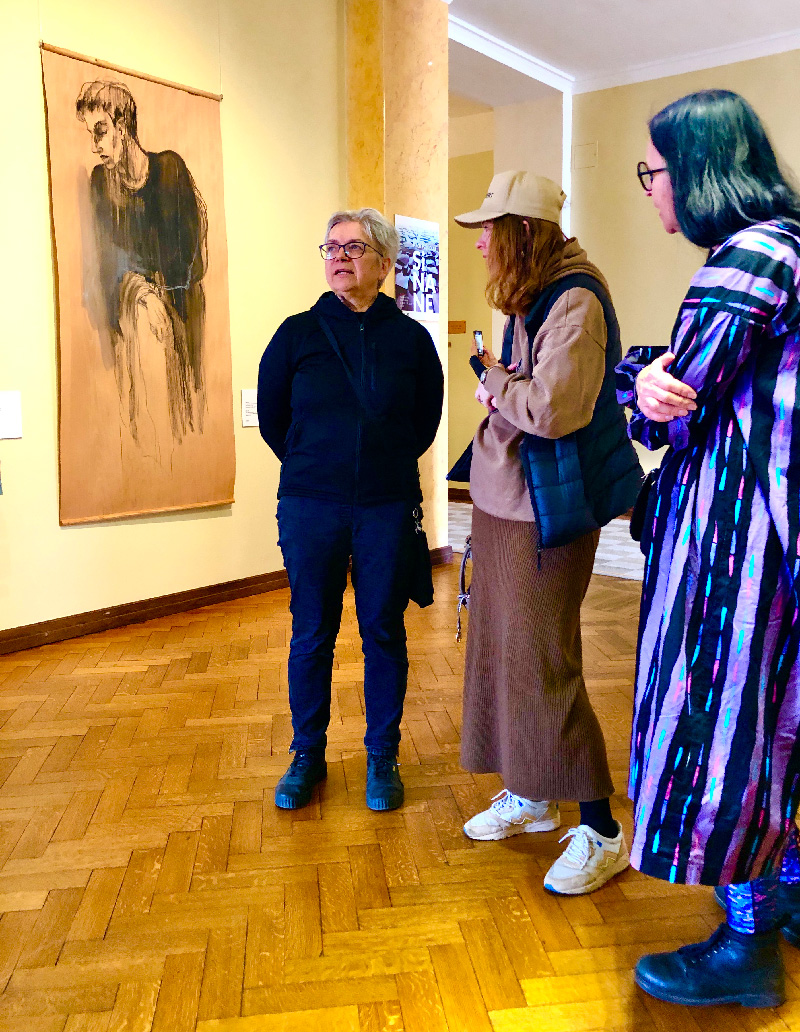
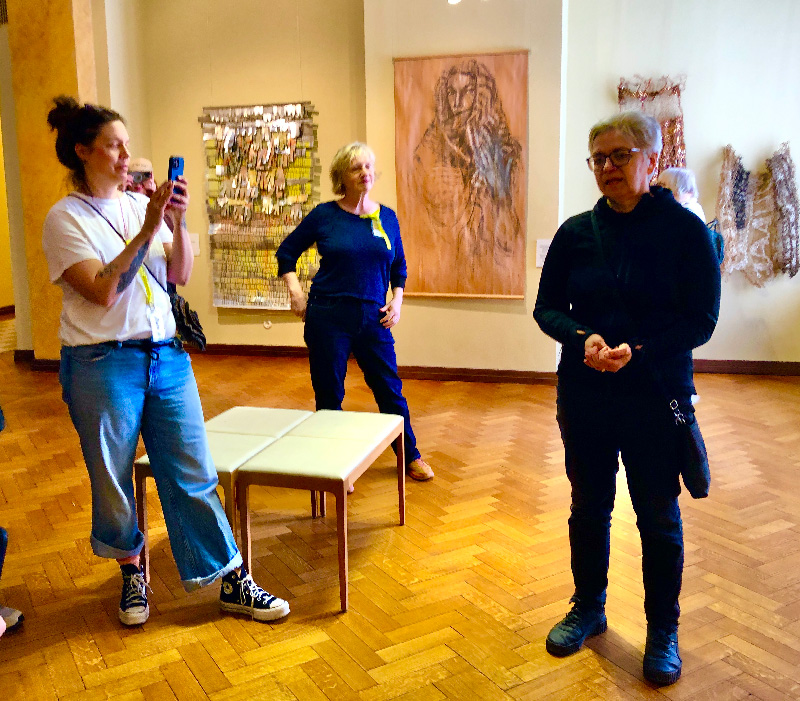
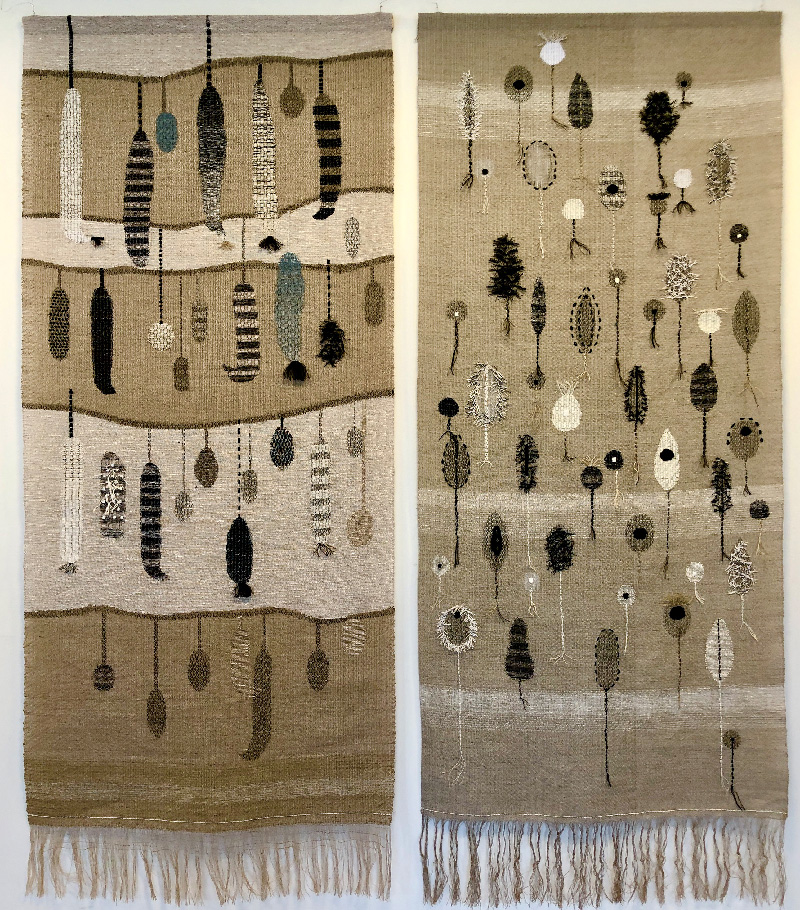
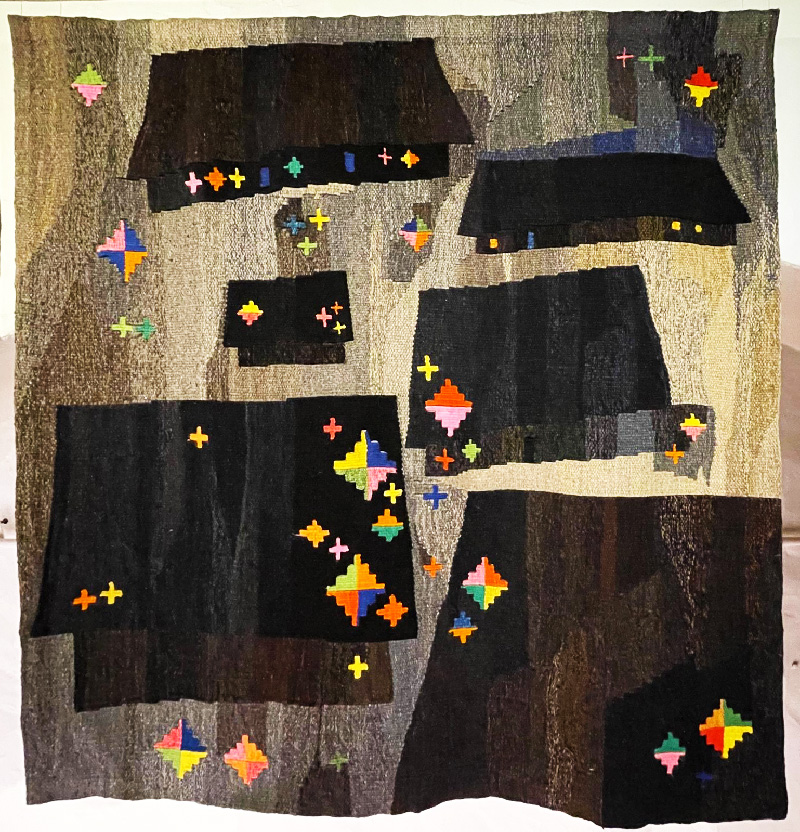
After arriving in Tallinn, we first visited “Sinane”, the solo exhibition by textile artist and Professorat Pallas University of Applied Sciences, Kadi Pajupu at the Parliament building. Pajupu combines textile art with tool invention and experimental weaving methods. Together with Marilyn Piirsalu she develops textile tools and techniques, among them RailReed and MultiWeave, a three-dimensional weaving method inspired by 3D printing technologies.
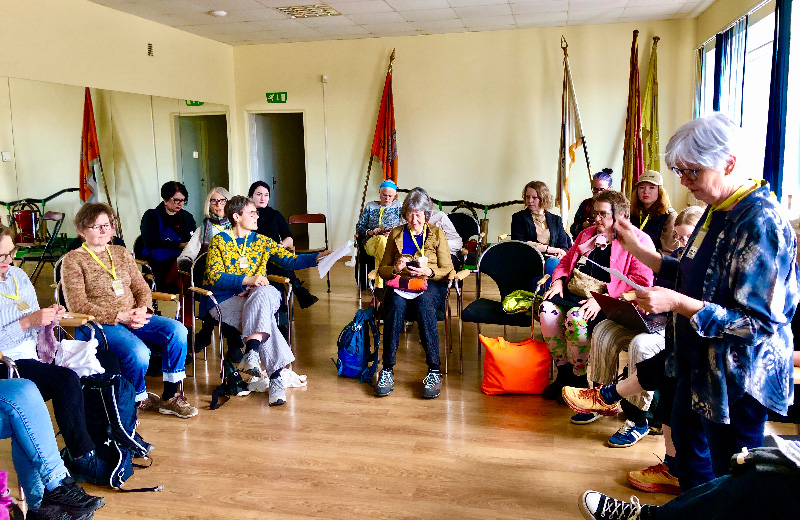
The group then gathered at the ARS Art Factory for lectures and workshops. Aet Ollisaar, textile artist and professor/Head of the textile Department of Tartu Art College, spoke about “Estonian Textile Students Making New Loops” and about previous collaboration between Nordic Textile Art and the Estonian Textile Artists Association.
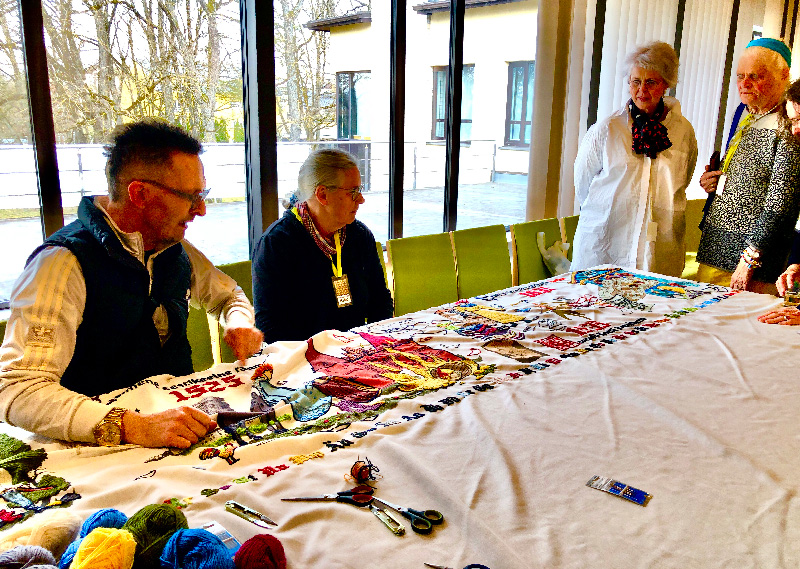
Kadi Pajupu introduced her MultiWeave technique, and Karin Sterner presented “Re-Making, Re-Loop”. Workshops followed on MultiWeave, embroidery and re-knitting practices.
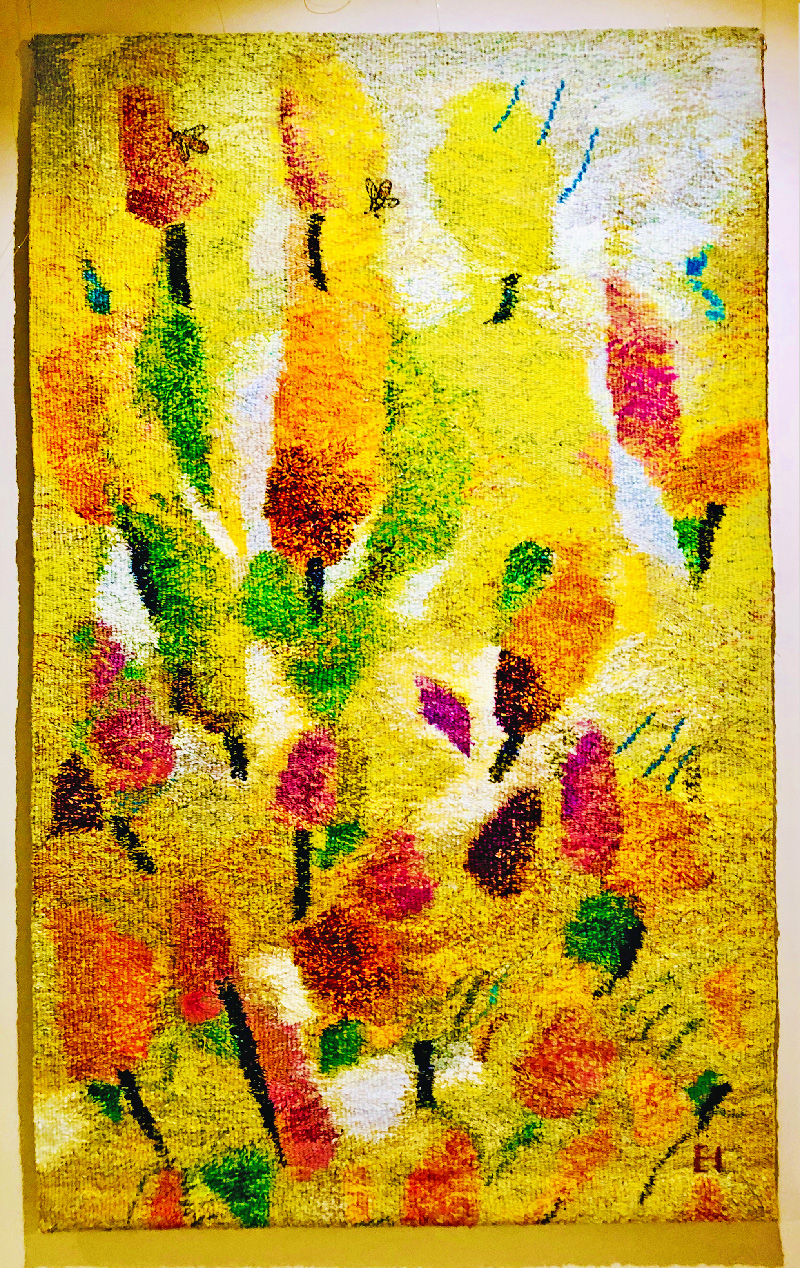
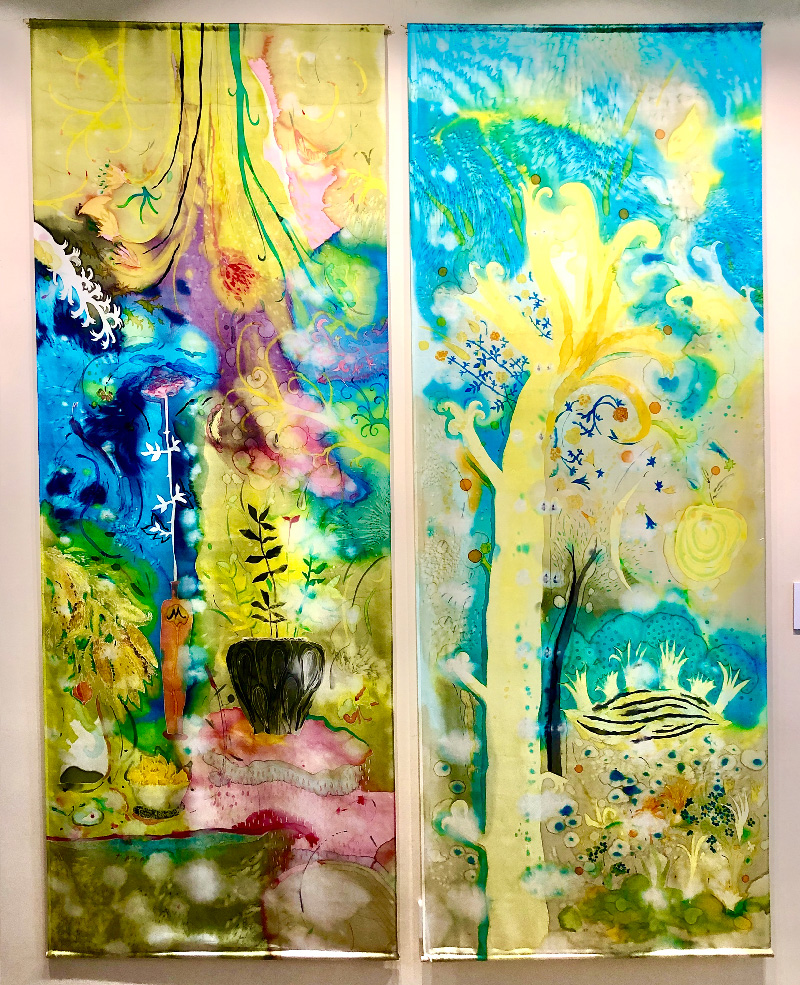
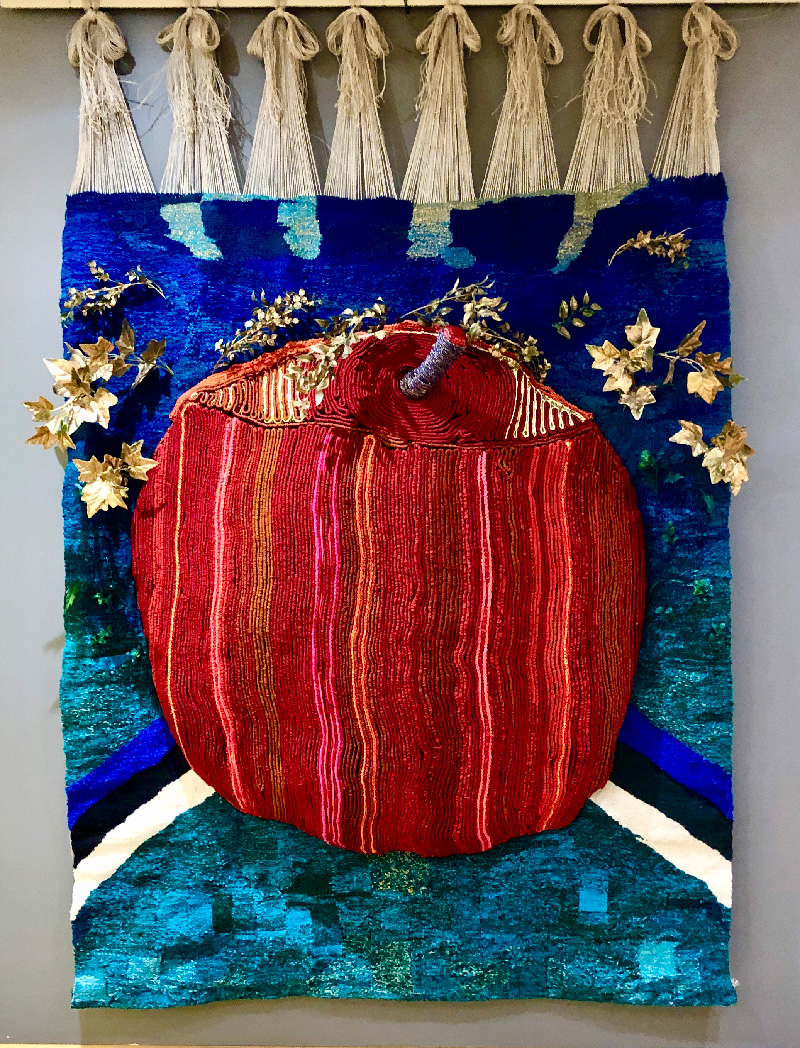
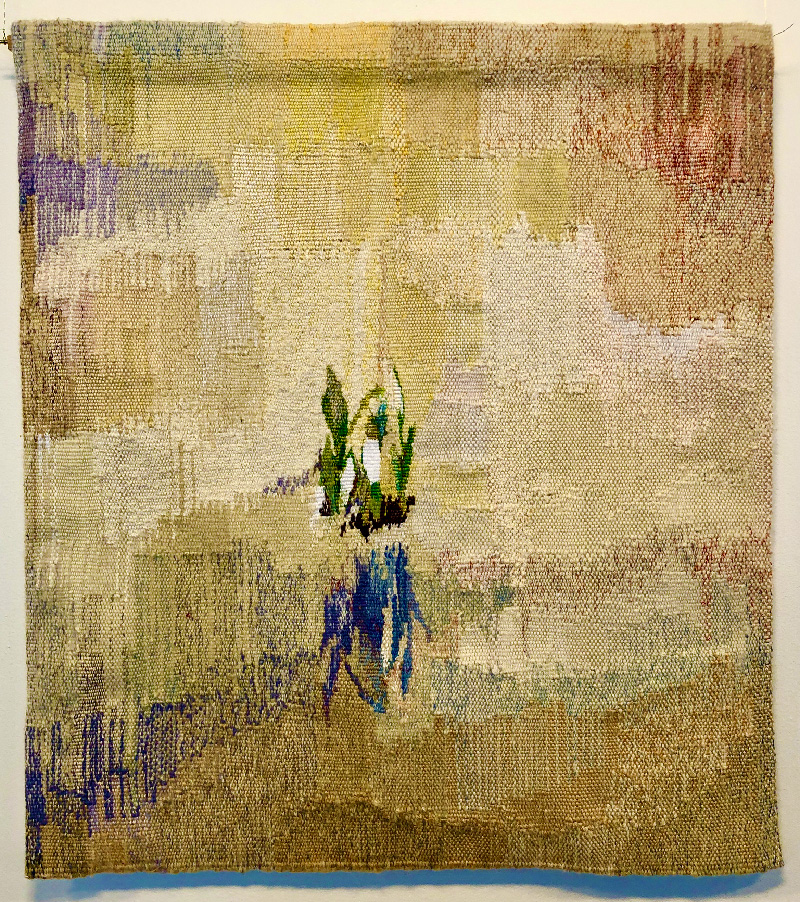
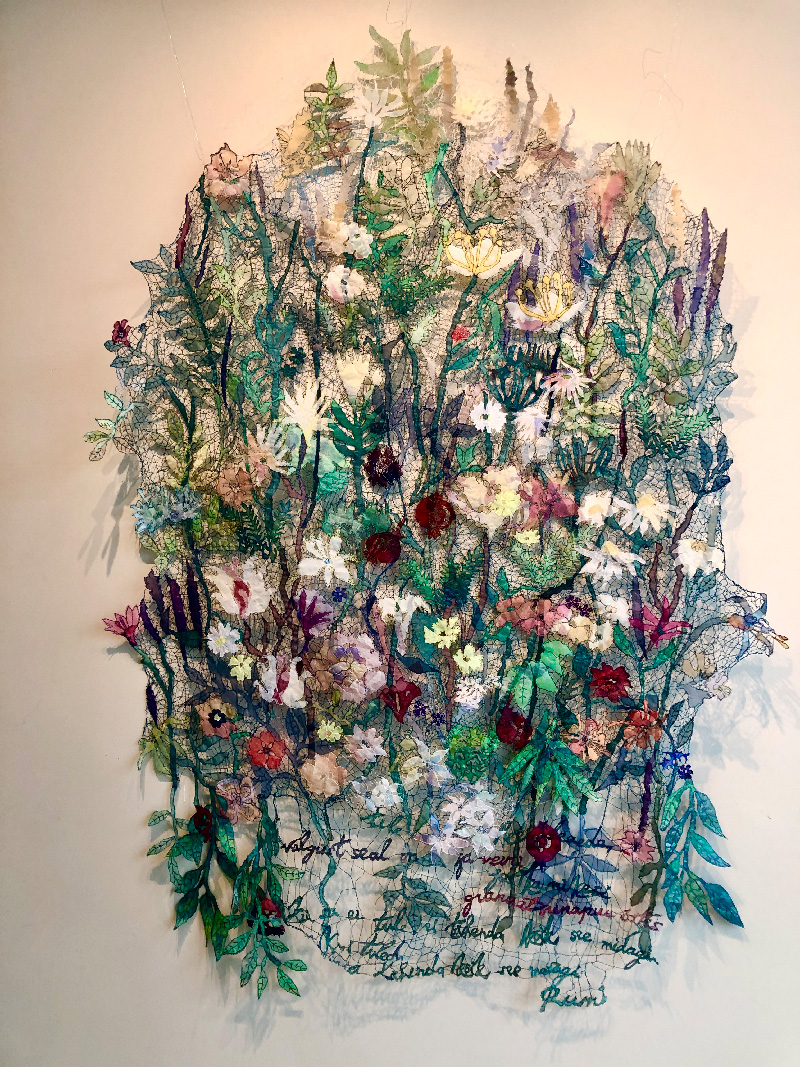
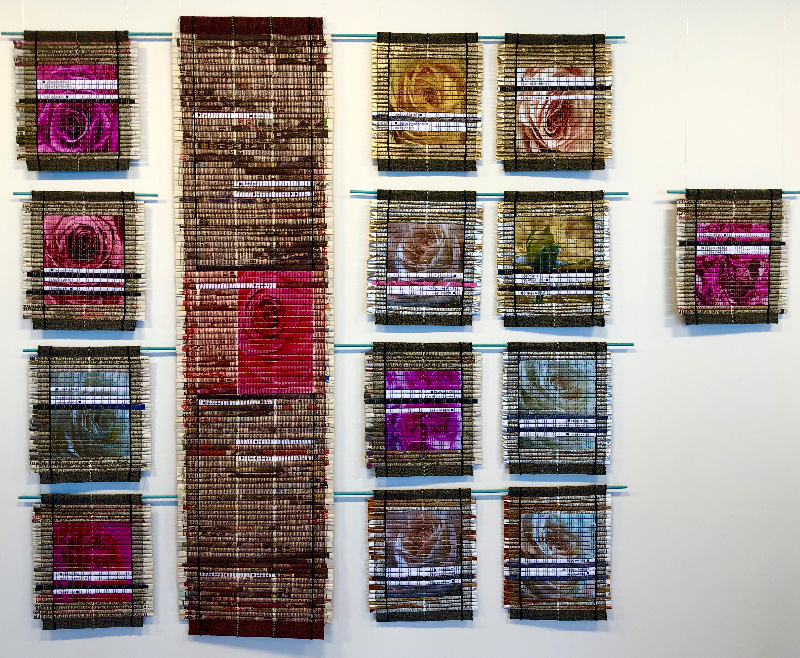
The following day took us to Türi and the Spring Exhibition of the Estonian Textile Artists Association. Once again, the remarkably high quality of Estonian textile art was evident – impressive for such a small country. Renowned artists, including Anu Raud, were represented. Estonia, like Latvia and Lithuania, continues to maintain a strong textile tradition and artistic standard.
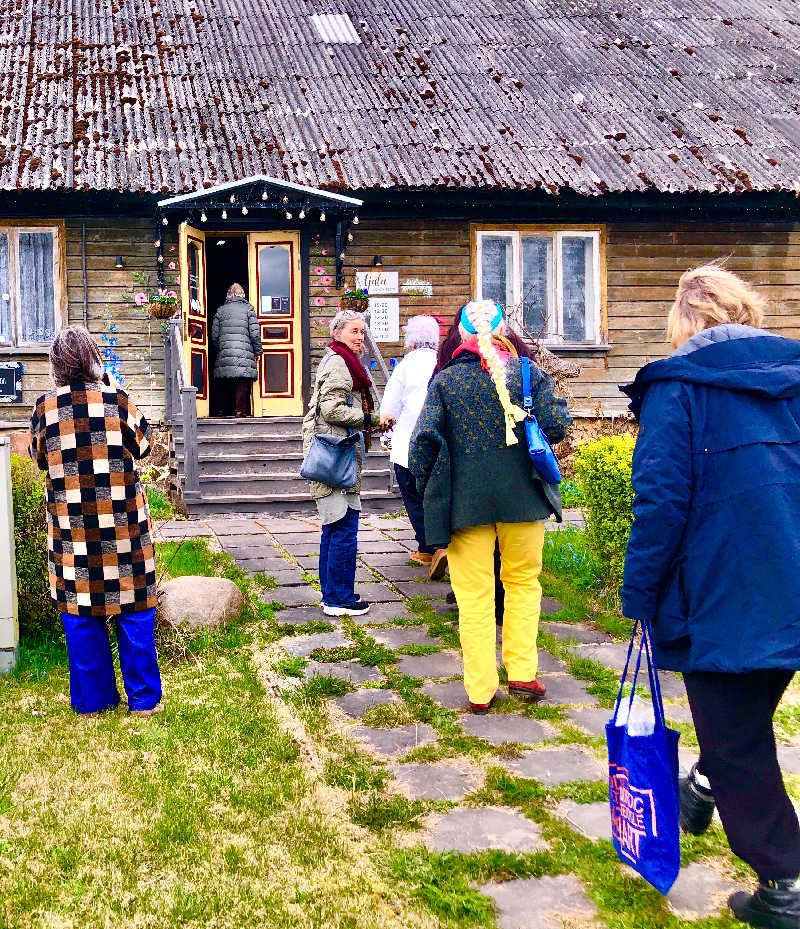
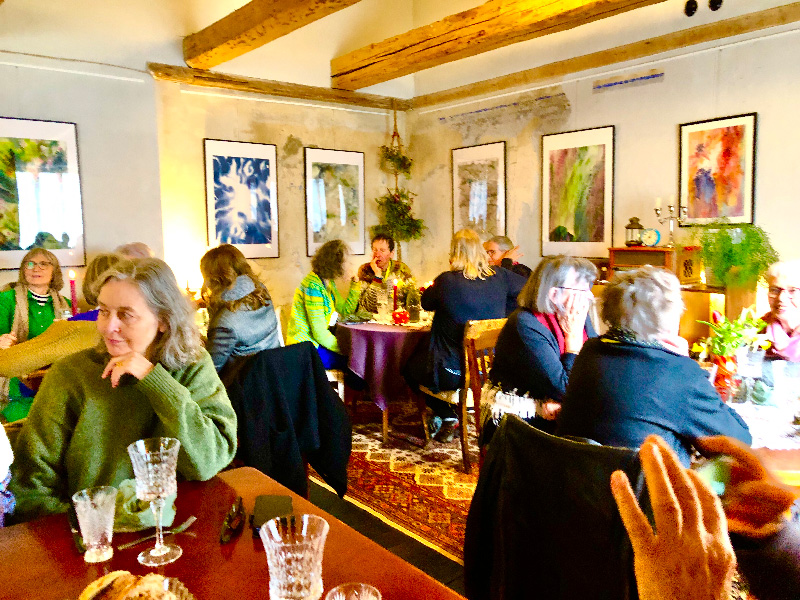
A memorable slow-food lunch was served in a beautiful countryside house, where everything had been prepared by hand with great care – the kind of experience one would hardly find as an ordinary tourist.
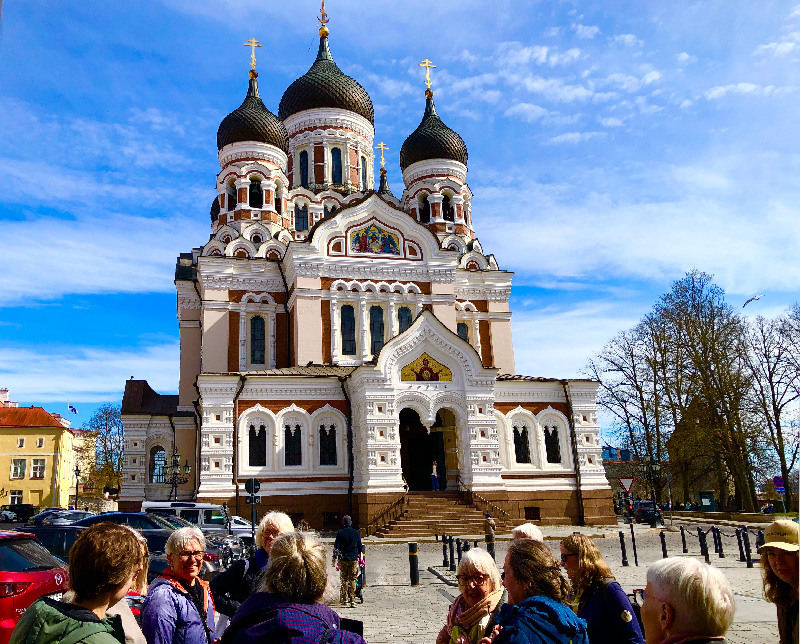
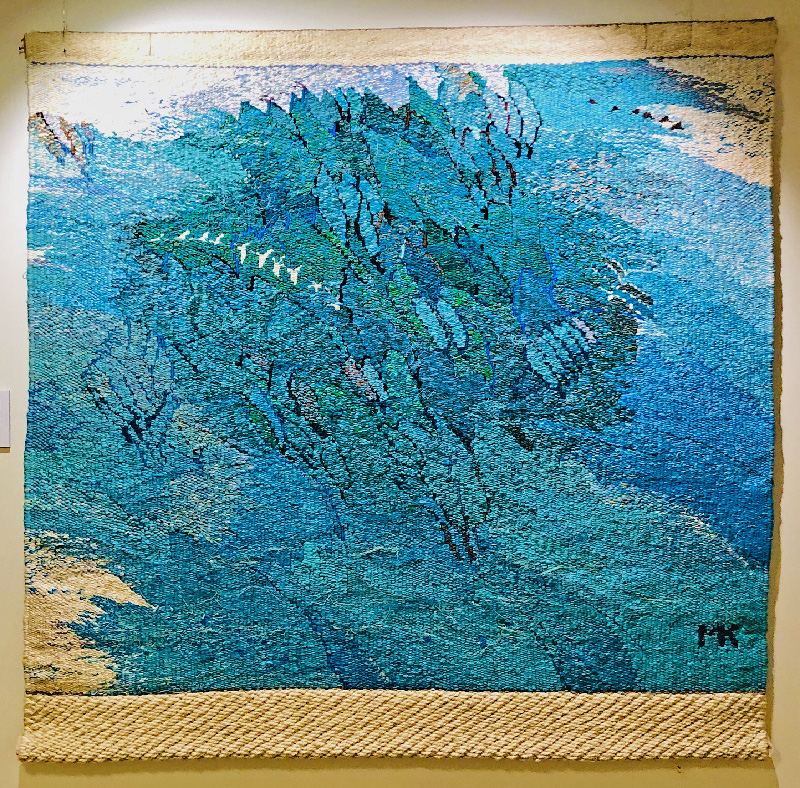
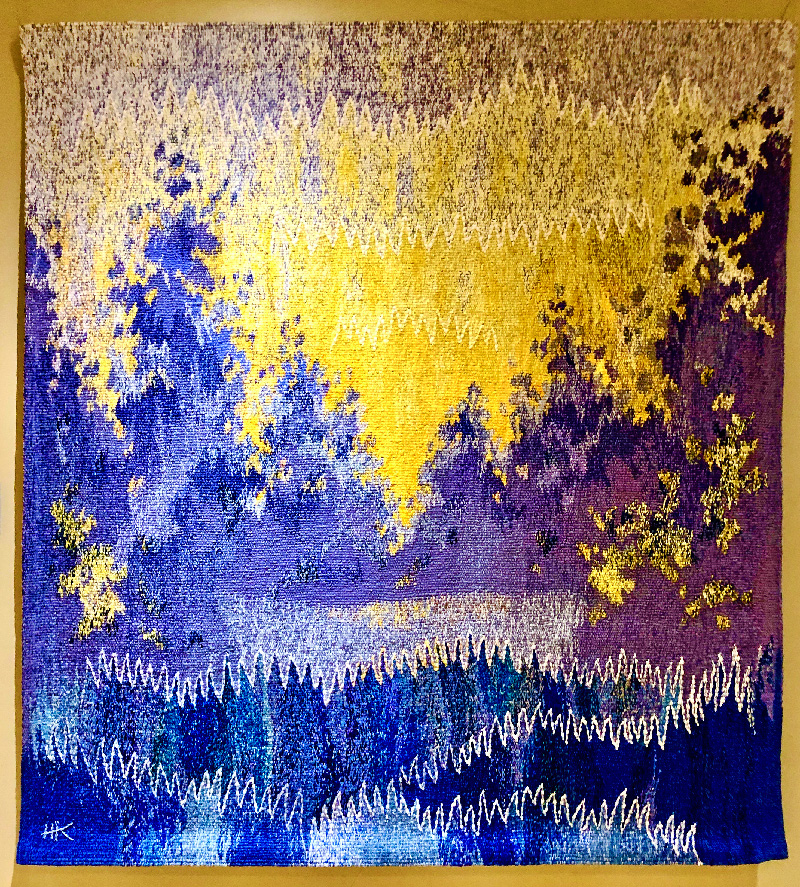
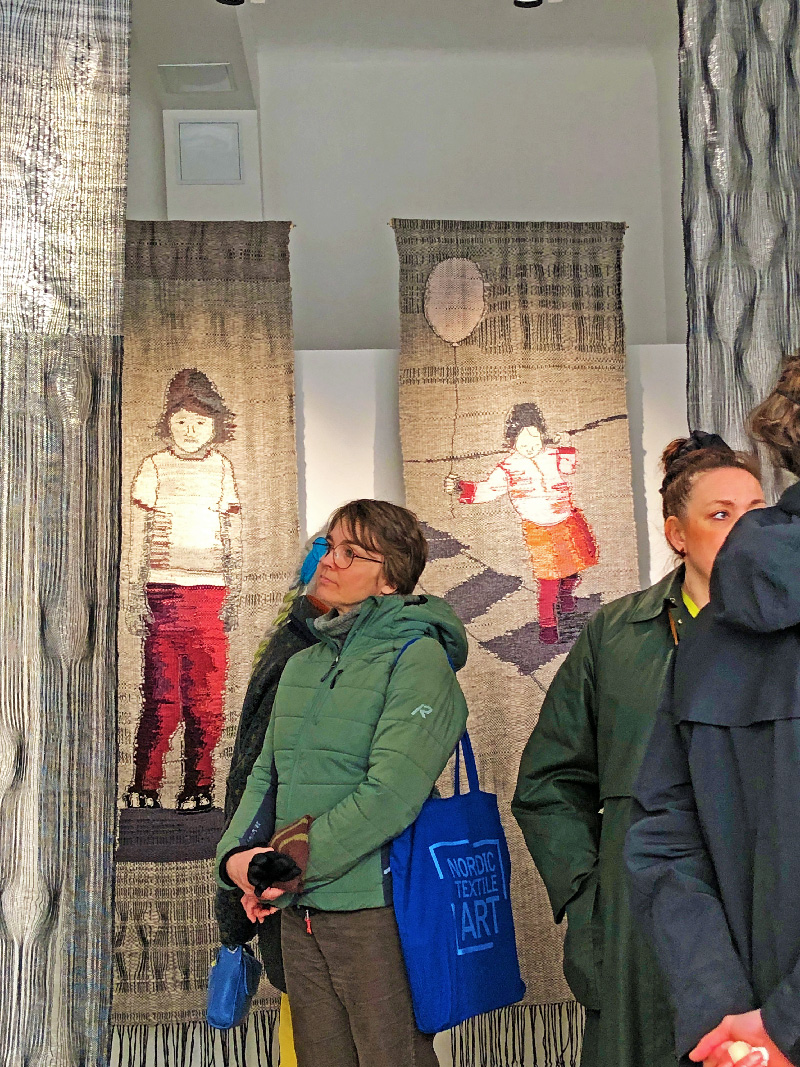
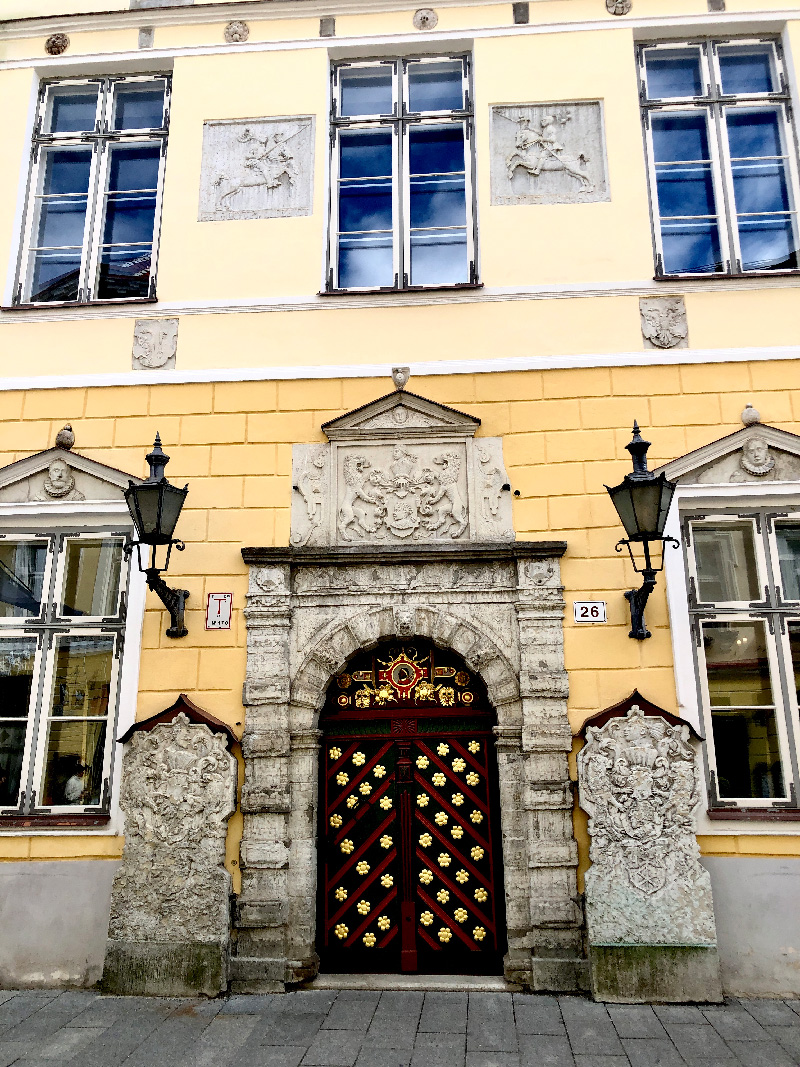
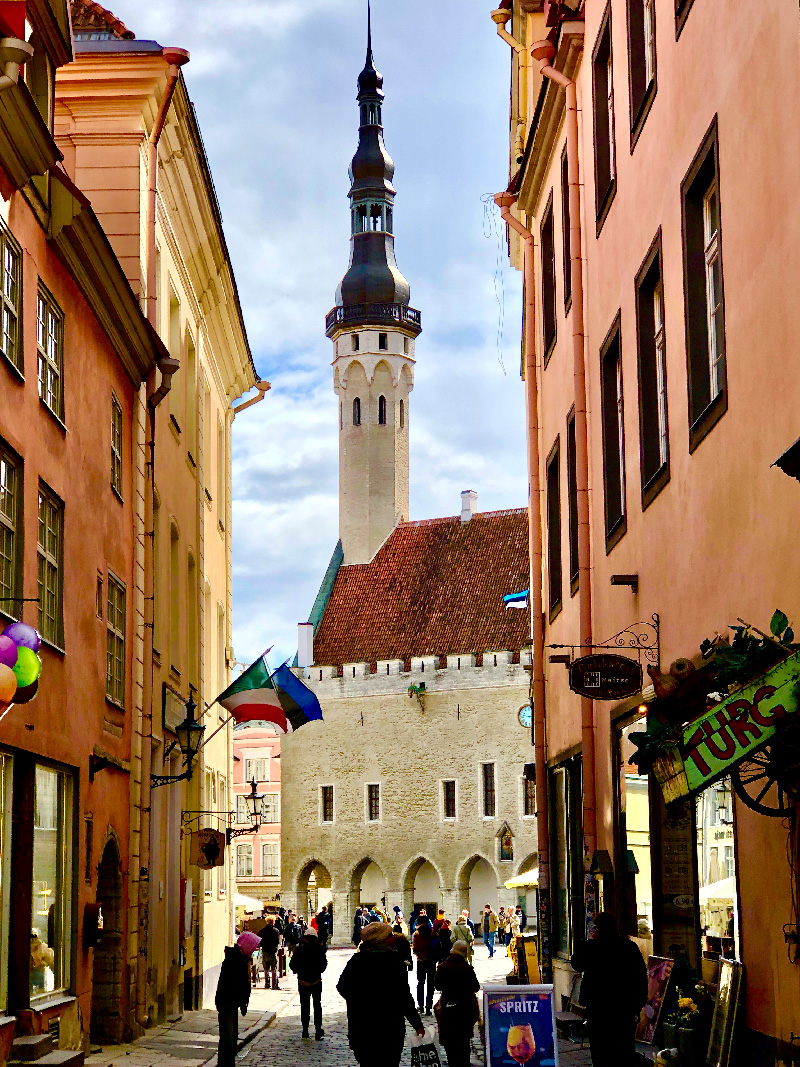
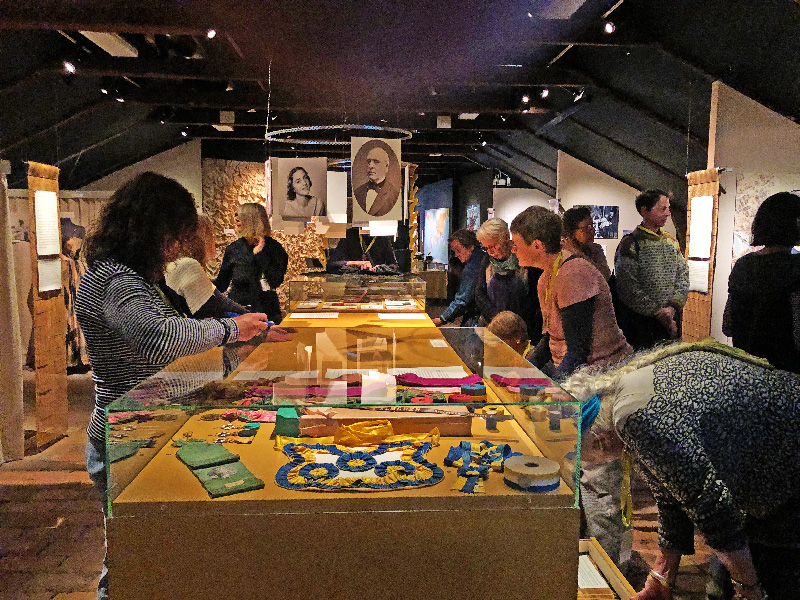
On Sunday, the annual meeting of Nordic Textile Art took place in a studio complex where several artists, including Kadi Pajupu and Marilyn Piirsalu, work. Afterwards we explored Tallinn’s Old Town, filled with textile exhibitions, among them presentations of Marilyn Piirsalu’s art weavings and works by the well-known textile designer Mare Kelpman. The Design Museum offered further insight into both historic and contemporary Estonian textile art.
In the late afternoon we boarded the Baltic Queen once more and returned overnight to Stockholm, where an additional programme awaited those staying a little longer. The NTA group met at Konstfack with Elvra Staaf and Fanny Stengaard, showing their bachelor project