Soft Power – The Warsaw Roots of the Polish School of Textile Art
Exhibition at Galeria Salon Akademii, Academy of Fine Arts in Warsaw
7 February – 6 March 2026
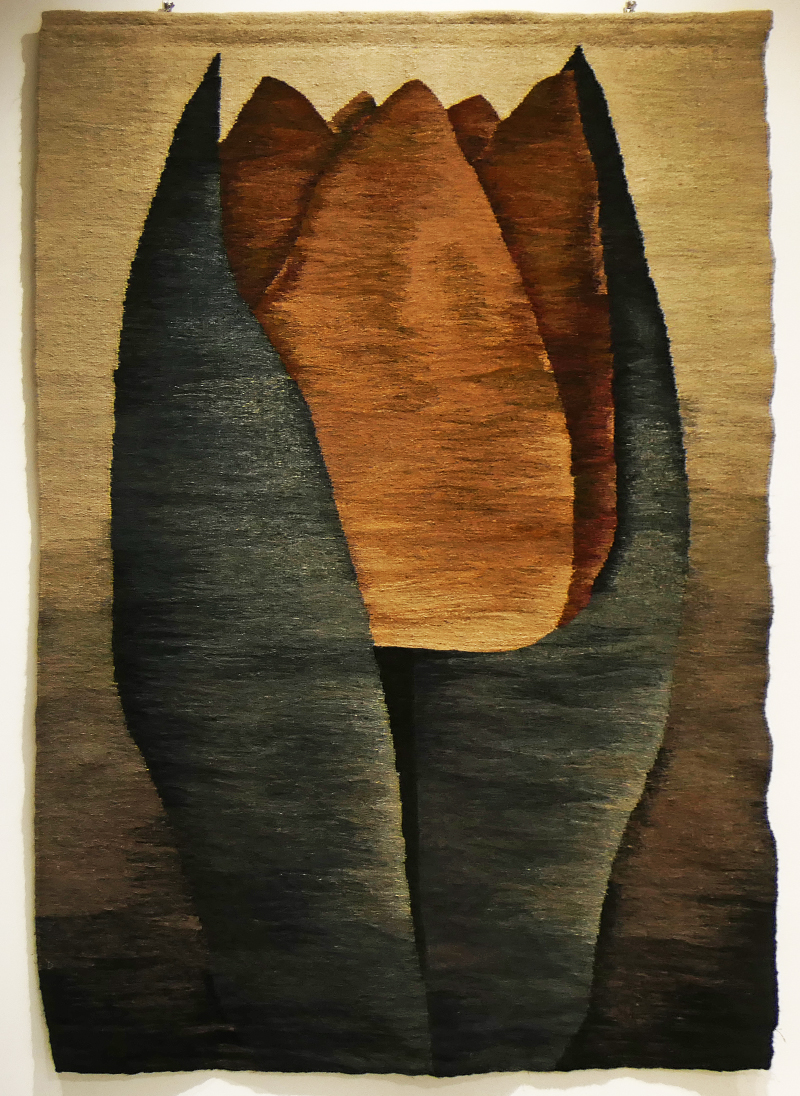
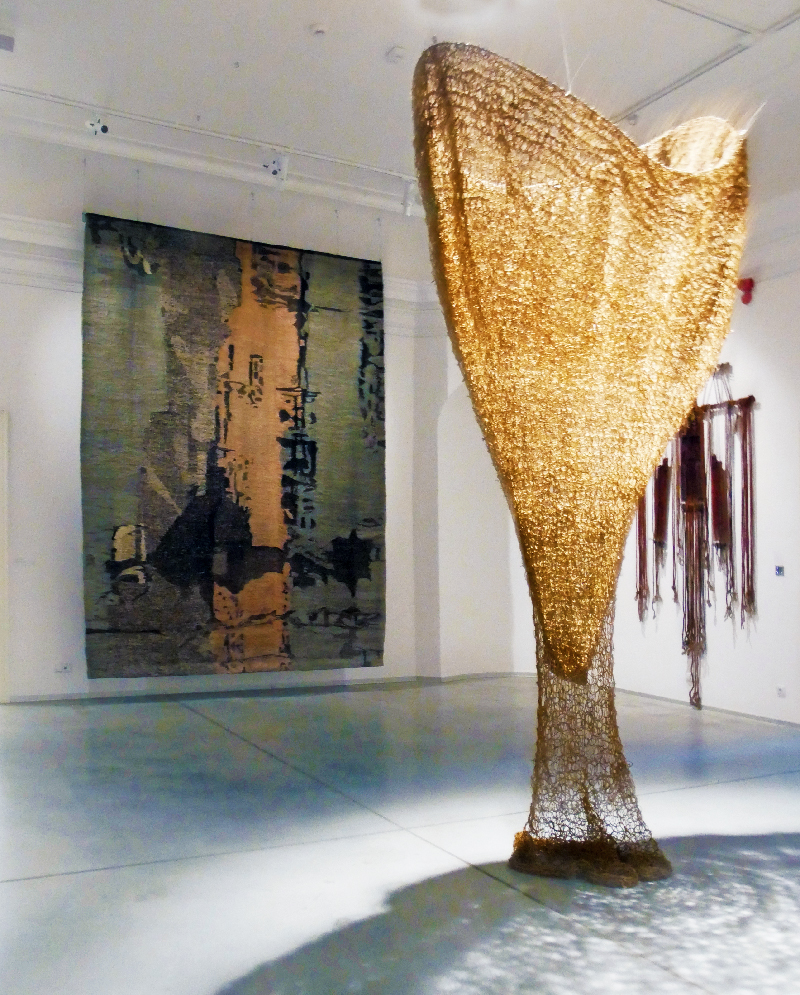
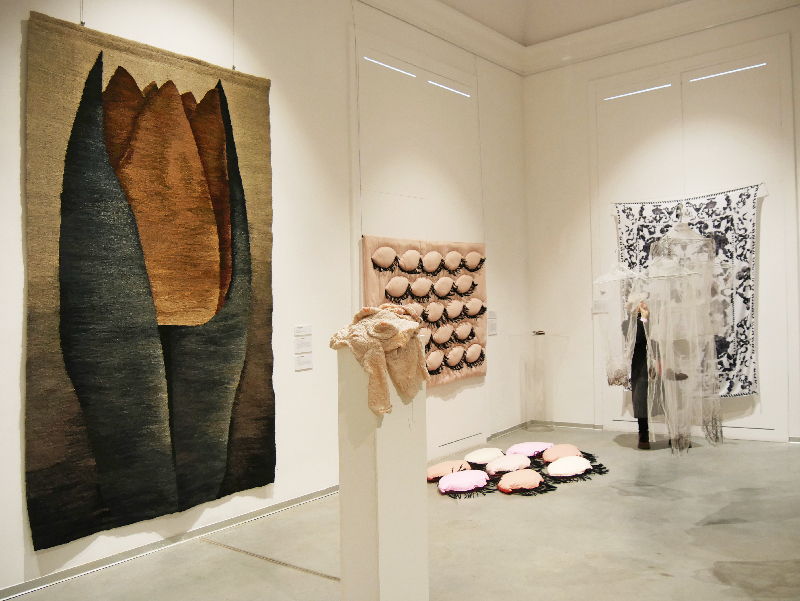
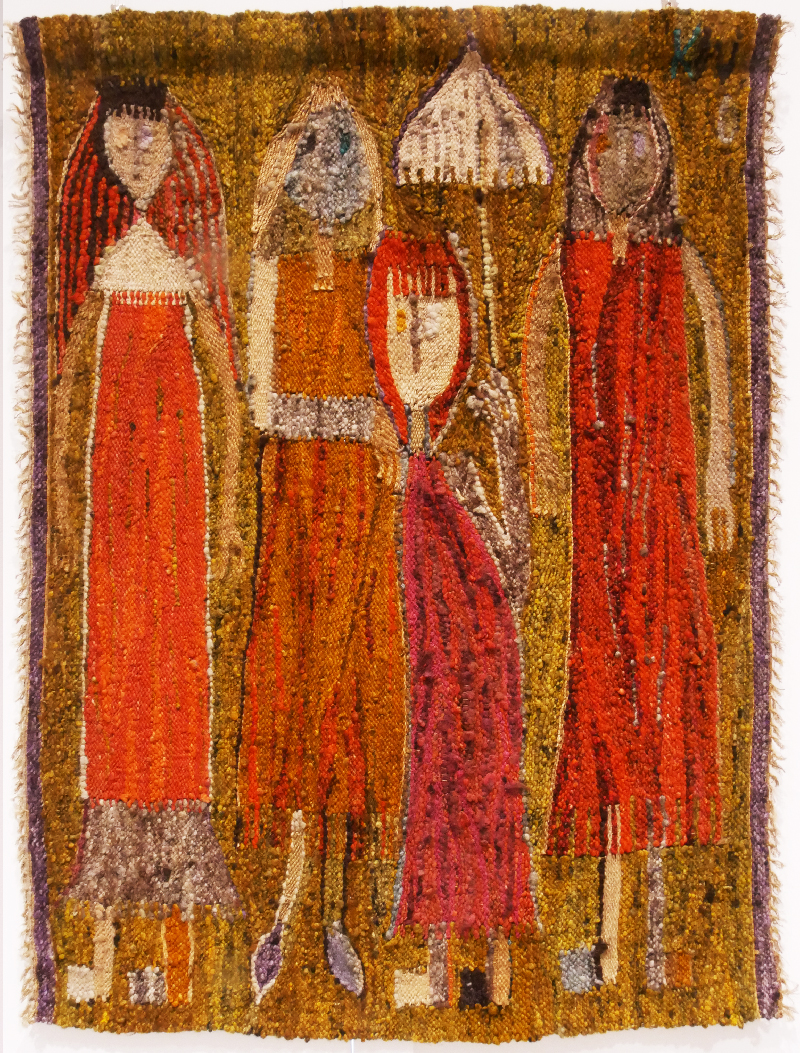
The exhibition Soft Power – The Warsaw Roots of the Polish School of Textile Art traces the
development of Polish textile art from its radical beginnings in the 1960s and 1970s to
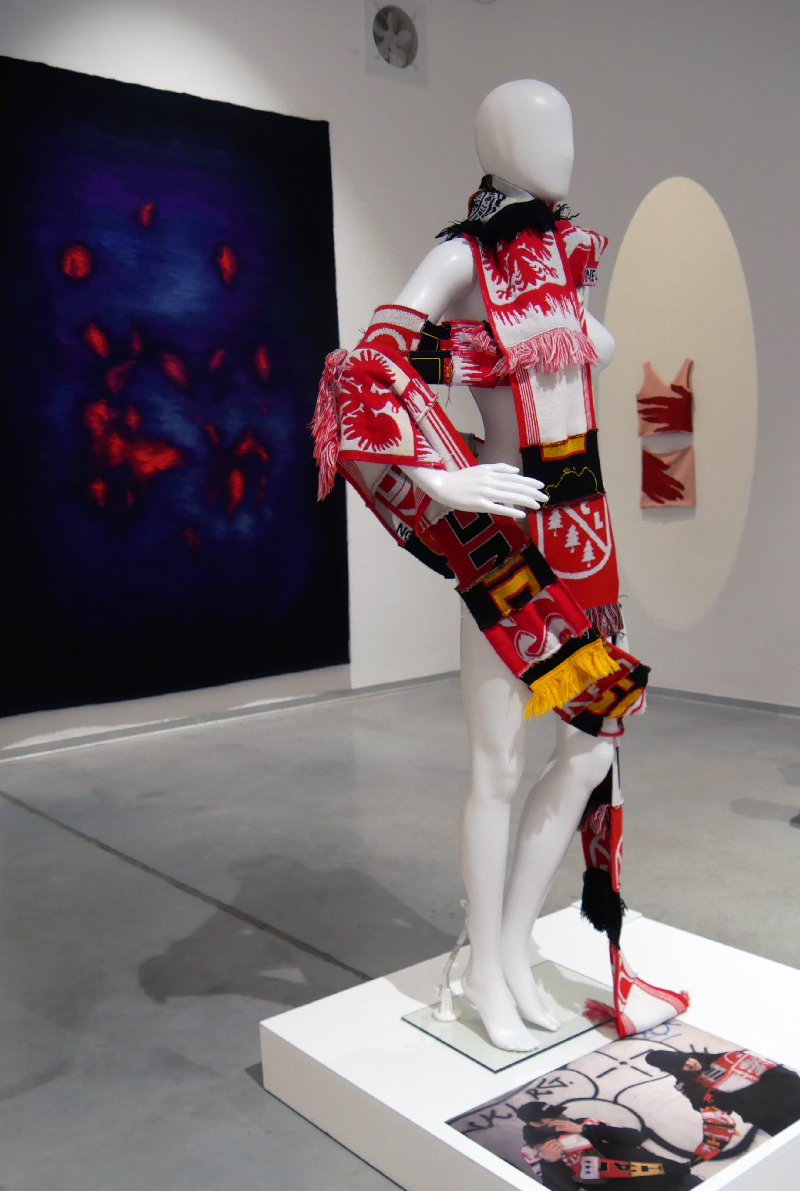
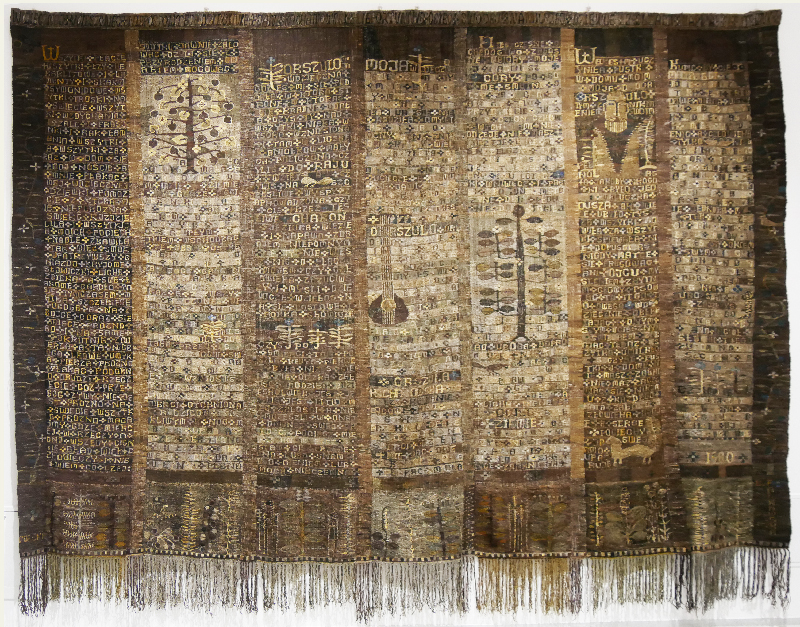
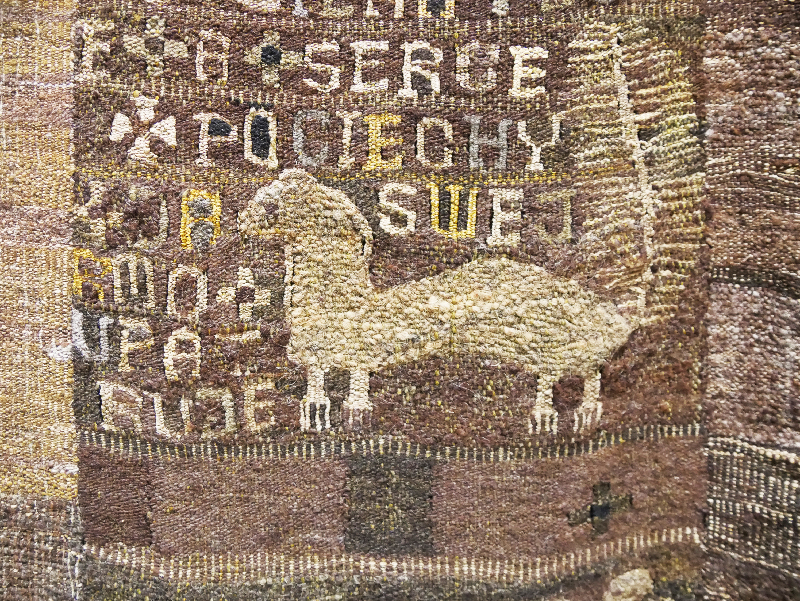
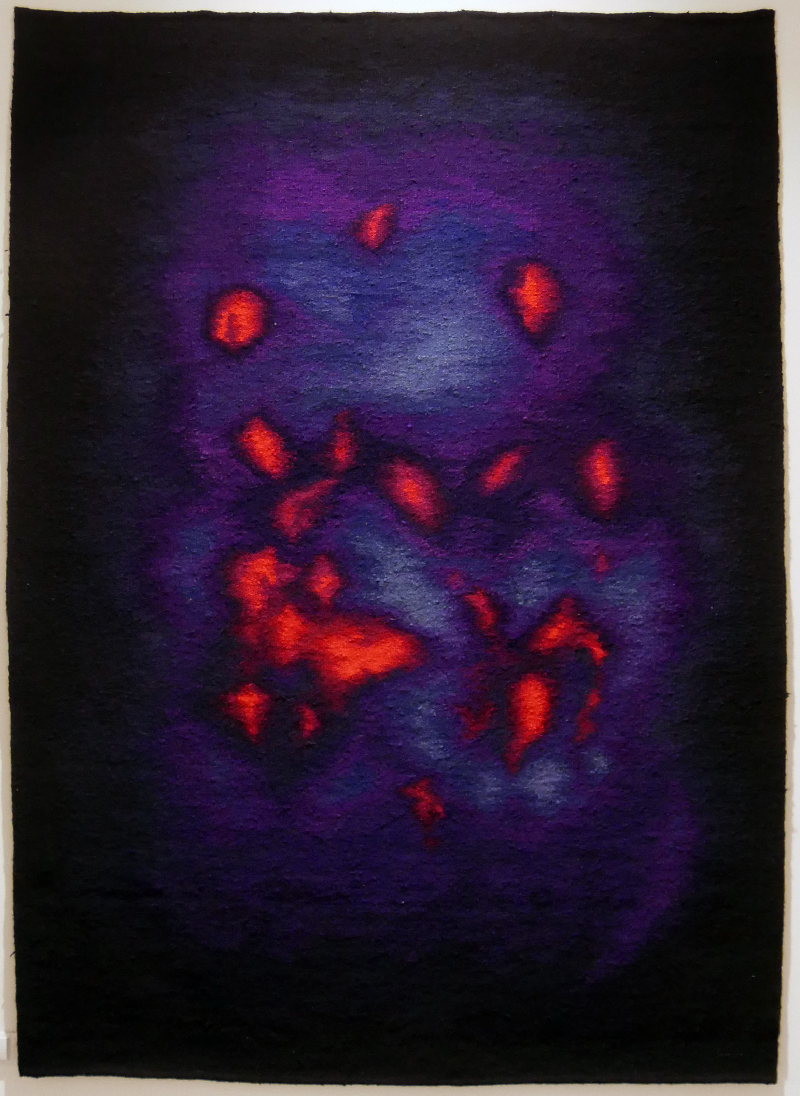
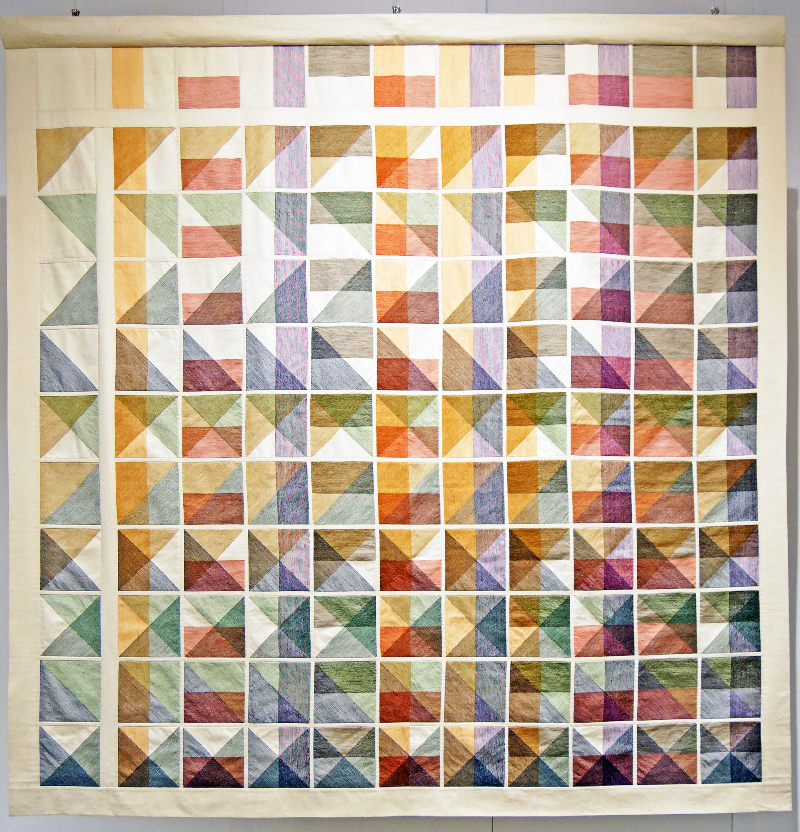
contemporary practices. It positions textile not only as an artistic medium but as a carrier of identity, meaning, and cultural influence—what the curators frame as a form of “soft power.”
At its core, the exhibition revisits a moment of profound transformation. When Polish artists
presented their work at the Lausanne Biennale in 1962, international critics declared that “the textile art
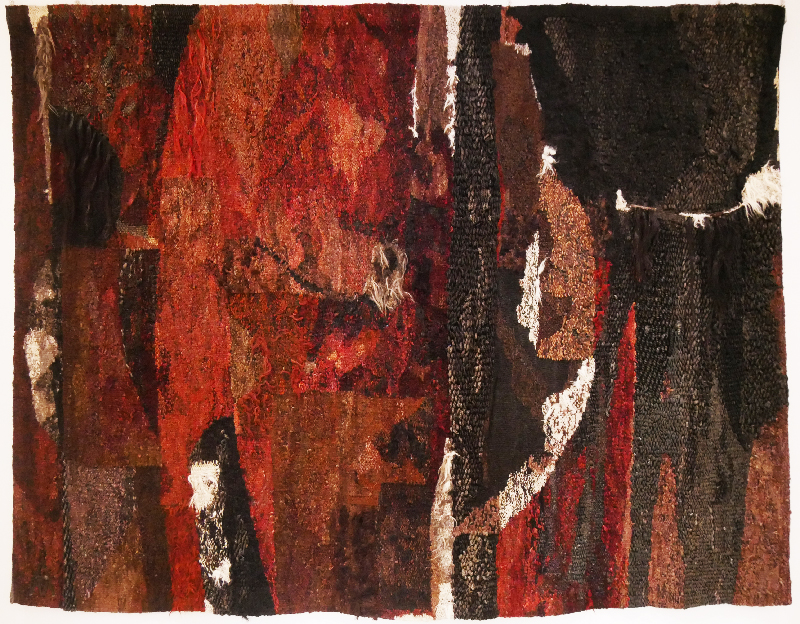
of the future was born in Poland.” This was not an exaggeration. Artists such as Magdalena
Abakanowicz and her contemporaries fundamentally redefined textile, liberating it from decorative
and utilitarian functions and elevating it into the realm of fine art. They challenged long-established
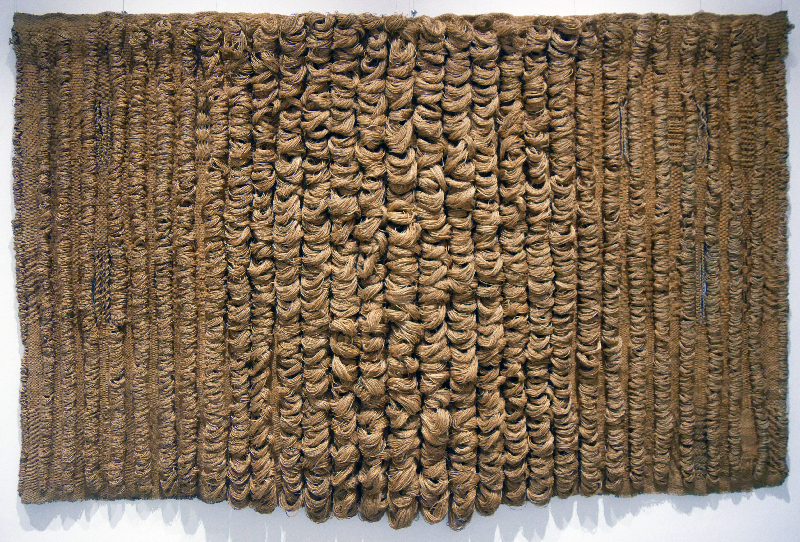
hierarchies, embraced materiality, and developed an entirely new visual language—one that was
tactile, spatial, and deeply connected to the body and organic processes.
The exhibition successfully highlights how textile became a powerful medium for storytelling,
capable of addressing themes such as identity, corporeality, transformation, and even political
resistance. Its inherent qualities—softness, fragility, and susceptibility to time—are not limitations
but strengths, allowing for layered and emotionally charged narratives.However, what becomes particularly striking throughout the exhibition is the contrast between the
historical works and the contemporary contributions. In my view, the true revolutionary force lies
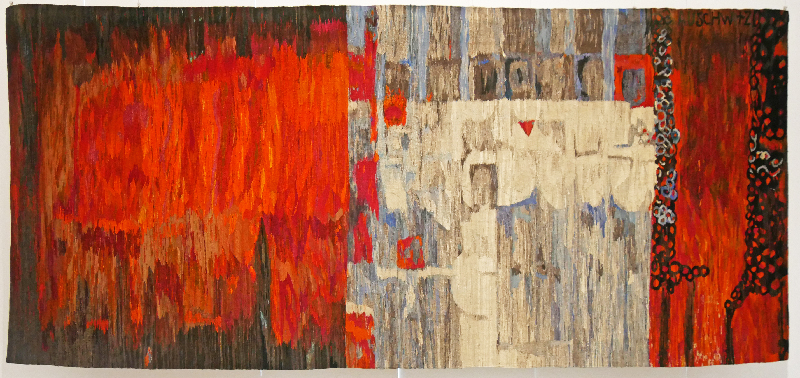
unmistakably with the earlier generation. Artists of the 1960s and 1970s—among them
Abakanowicz, Emilia Bohdziewicz, Wojciech Sadley, Jolanta Owidzka, Eleonora Plutyńska,
Barbara Levittoux-Świderska, Barbara Falkowska and Krystyna Wojtyna-Drouet—engaged with
textile in a way that was genuinely groundbreaking. Their work was bold, experimental, and
conceptually radical, driven by a necessity to redefine both medium and meaning.
By comparison, many of the contemporary works, while technically accomplished and conceptually
aware, feel less urgent. They often appear to operate within an already established language rather
than pushing its boundaries further. The exhibition raises the question of continuity, but it also
unintentionally reveals a certain gap: what was once a revolutionary gesture has, in some cases, become an aesthetic convention.
This does not diminish the relevance of textile art today—on the contrary, its resurgence in the
contemporary art world and its presence at major art fairs underline its enduring significance. Yet
the historical works remind us that this relevance was hard-won. The pioneers of the Polish School
of Textile Art did not merely contribute to the medium; they transformed it.
Ultimately, the exhibition reaffirms Warsaw as a crucial center for textile art while also
demonstrating that its greatest strength still lies in its origins. The “soft power” of textile is most
palpable where it was first radical—where material became language, and softness became a form of resistance
7th International Triennial of Tapestry in Łódź, 1992; photo: Beatrijs Sterk
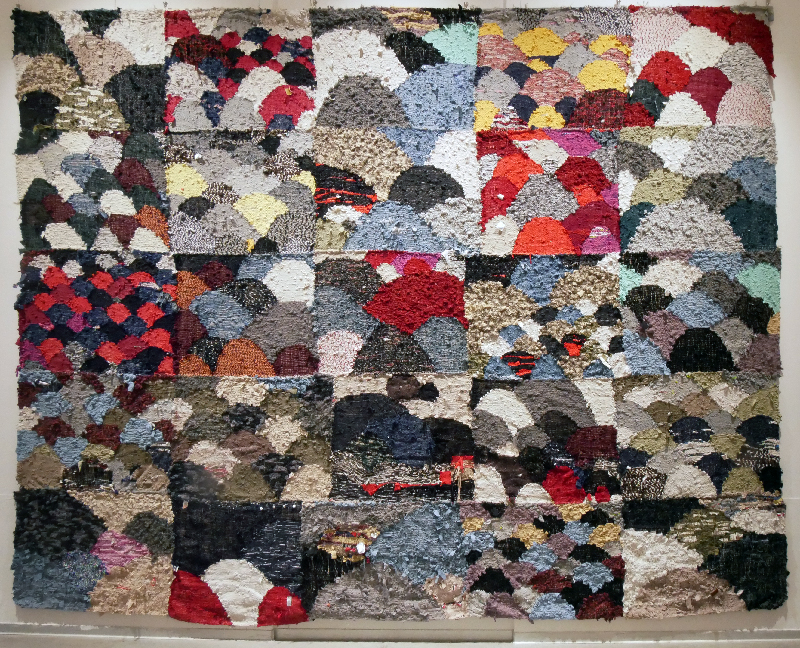
The work was made entirely from my mother’s garments, cut into threads after her death. The nearly two-year process of transforming clothing into tapestries became a form of farewell, as well as an alternative to the mechanical disposal of a deceased person’s personal belongings. Giving the remaining objects a new form—which in my case became the woven fabric—partly removed the traces of death, grief, or oblivion, opening them up to ideas of permanence and beauty. A sweater with a coffee stain, jeans, and buttons created a bridge between belonging to the memory of their owner and their already transformed form; photo: Beatrijs Sterk
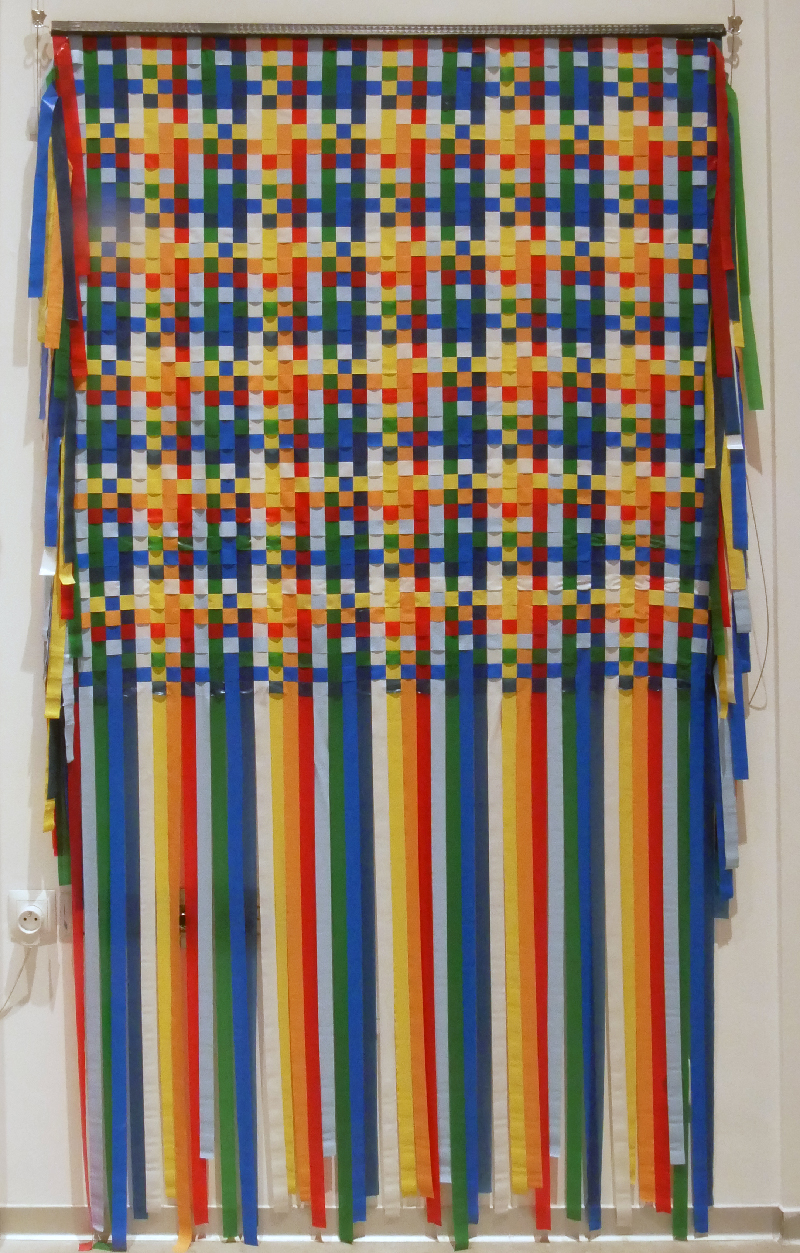
The rainbow curtain is an in-between material—between the main room and the kitchen, the corridor and the entryway. Hung in rural houses, it both closes off and invites in. The strips—connected in the simplest flat weave—form a highly disciplined and surprisingly geometric pattern; photo: Beatrijs Sterk